
What Is Outpatient Care?

Understanding What Is Outpatient Care
If you are wondering what is outpatient care, think of it as a bridge between professional medical support and your daily life. Unlike inpatient programs that require you to stay in a facility overnight, outpatient services allow you to receive treatment during the day and return to the comfort of your own home at night. This flexible approach is designed to help you manage behavioral health or addiction challenges without pressing pause on your career, education, or family responsibilities.
This model is particularly effective for individuals who have a stable living situation and are motivated to make changes but do not require 24-hour supervision. It empowers you to apply the coping strategies and skills you learn in therapy directly to real-world situations immediately. Whether you are stepping down from a residential stay or seeking help for the first time, outpatient care meets you where you are.
"The goal is to create accessible, effective support that meets people where they are in their healing process, offering the right level of intervention without disrupting the positive aspects of their lives."
Defining Outpatient Treatment Services
Outpatient treatment services encompass a wide range of medical and therapeutic interventions. You can think of it as similar to visiting a specialist for a recurring medical condition—you go in for your appointment, receive high-quality care, and then continue with your day. These services are built to be adaptable, ensuring that help is available when and how you need it.
Common components of these programs include:1
- Individual Counseling: One-on-one sessions with a therapist.
- Group Therapy: Peer support guided by a professional.
- Medication Management: Medical oversight for prescriptions.
- Telehealth: Virtual appointments via computer or phone.
Medical Care Without Overnight Stays
The defining feature of this care model is the absence of overnight stays. Instead of sleeping in a hospital bed, you sleep in your own. This distinction is crucial because it allows you to maintain your connection to your support system at home. You visit the clinic for specific services—like a checkup or a therapy hour—and then leave. This structure promotes independence and self-reliance, which are key factors in long-term recovery.
Behavioral Health Outpatient Models
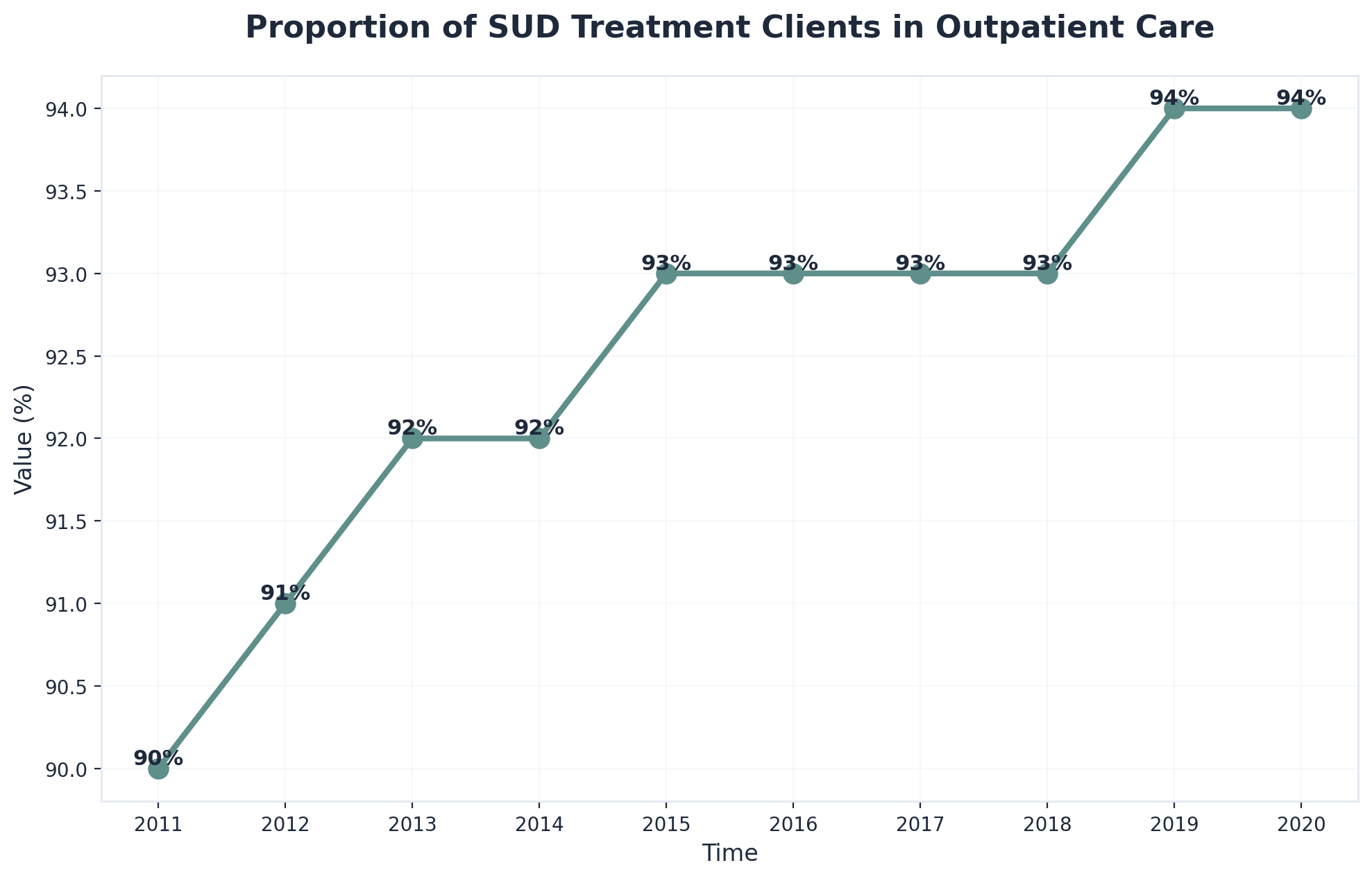
Behavioral health models are specifically tailored to treat mental health conditions like anxiety and depression, as well as substance use disorders. These programs often blend in-person visits with virtual options to maximize accessibility. In fact, recent data suggests that over 90% of clients in substance use treatment utilize outpatient services because of this flexibility. Whether you need a weekly check-in or daily support, these models are designed to scale with your needs.1
How Outpatient Care Differs From Inpatient
The primary difference between outpatient and inpatient care lies in the intensity of supervision and the living arrangement. Inpatient care is immersive and protective, removing you from daily triggers. Outpatient care is integrative, helping you navigate those triggers in real-time. To help you visualize the differences, consider the following comparison:10
Cost Comparison and Accessibility
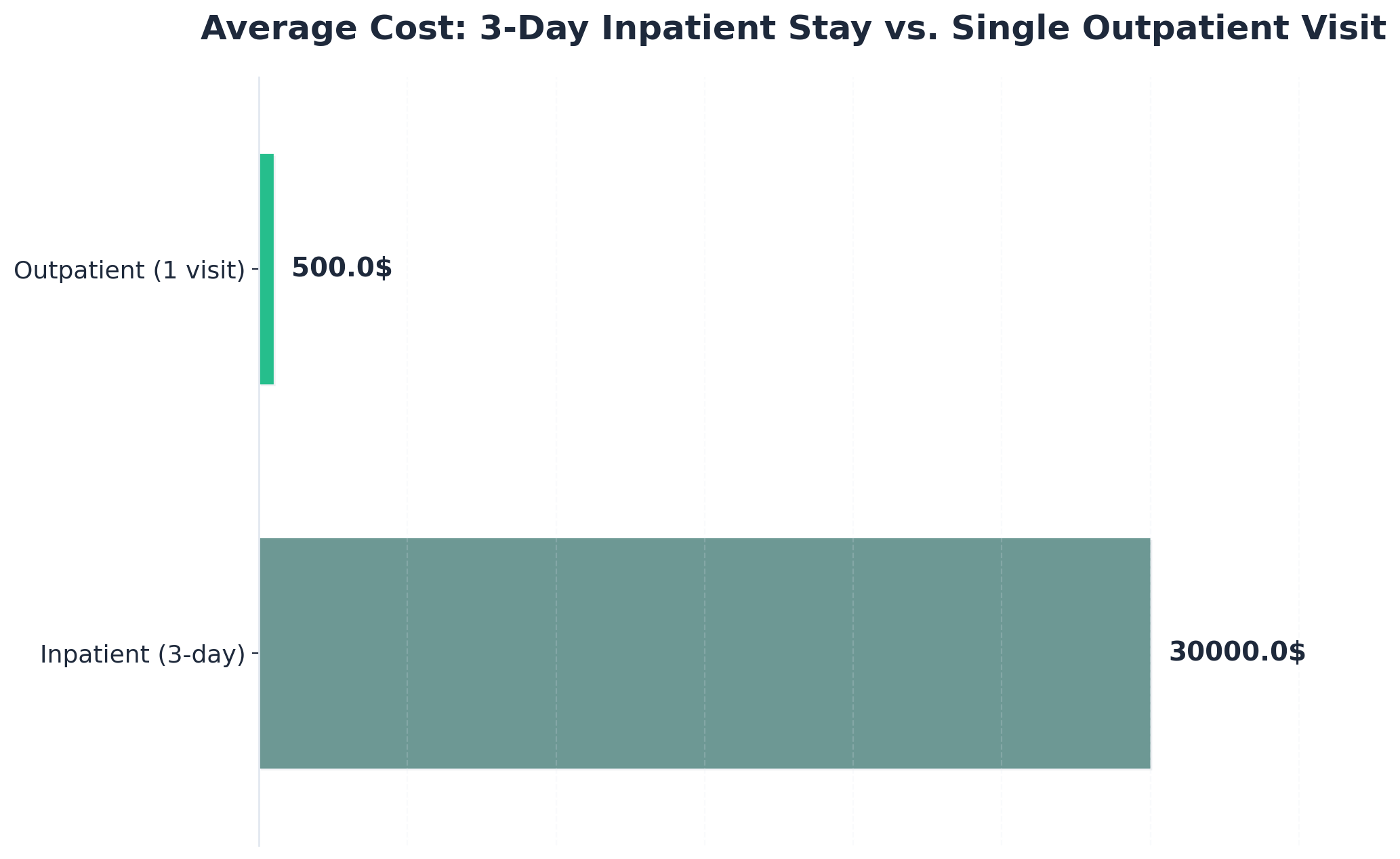
Financially, outpatient care is generally much more accessible for families. Because you are not paying for room, board, and round-the-clock staffing, the costs are significantly lower. This affordability ensures that more people can access essential services like therapy and medication management without facing financial ruin. Additionally, the rise of telehealth has removed geographical barriers, allowing those in rural areas to access top-tier specialists without long commutes.1
Maintaining Daily Responsibilities
For many, the biggest barrier to seeking help is the fear of losing a job or falling behind in school. Outpatient programs solve this by offering evening and weekend hours. You can attend a group session after work or schedule a therapy call during a lunch break. This flexibility allows you to prioritize your health while still fulfilling your roles as an employee, student, parent, or partner.
Types and Levels of What Is Outpatient Treatment
Outpatient care is not a "one-size-fits-all" solution. It is a spectrum of services designed to match the intensity of your needs. Clinical professionals use assessments to determine where you should start, looking at factors like your history with substance use, your mental health status, and your home environment. This ensures you get the right amount of support—not too little, and not more than necessary.
The levels of care generally progress from standard, low-frequency visits to highly structured daily programs. As you make progress, you can "step down" to less intensive levels, or if you face challenges, you can "step up" to more support. This fluidity is a hallmark of effective outpatient treatment.
Standard Outpatient Treatment Approach
Standard outpatient treatment is what most people imagine when they think of therapy. It typically involves one or two sessions per week. This level is ideal for maintenance—helping you stay on track after a more intensive program or addressing mild to moderate concerns before they grow. It provides a regular touchpoint to discuss your week, refine coping skills, and adjust goals.
Weekly Therapy and Counseling Sessions
These weekly sessions are the heartbeat of standard care. You meet with a counselor to process emotions, identify triggers, and celebrate wins. It is like having a personal coach for your mental health. Because the commitment is only a few hours a week, it causes minimal disruption to your routine, making it a sustainable long-term option for many.
Telehealth and Virtual Care Options
Technology has revolutionized standard outpatient care. Through secure video platforms, you can now access your therapist from your living room. This is particularly vital for maintaining consistency; if your car breaks down or you have a mild cold, you don't have to miss your session. Research confirms that virtual care breaks down access barriers and is effective for managing ongoing health needs.6
Intensive Outpatient and PHP Programs
For those who need more than a weekly check-in, Intensive Outpatient Programs (IOP) and Partial Hospitalization Programs (PHP) offer robust support. These programs are structured much like a school day or a part-time job, providing several hours of therapy multiple days a week. They are excellent for stabilizing severe symptoms or transitioning out of residential care.
Structured IOP Treatment Schedules
An IOP typically requires attendance for 3 to 5 days a week, often for 3 hours per session. This structure keeps you engaged in recovery almost daily while still leaving time for work or family. The curriculum is dense, often combining group therapy, individual counseling, and educational workshops to accelerate healing.1
Partial Hospitalization Program Benefits
A PHP is the highest level of outpatient care, often called "day treatment." You might spend 6 hours a day, 5 days a week at the center. It offers the medical monitoring and therapeutic intensity of a hospital stay but allows you to sleep in your own bed. This is often the best choice for preventing hospitalization or for those who need significant medical oversight.2
Evidence-Based Therapies and Approaches
Effective treatment relies on methods that are proven to work. Outpatient programs utilize a variety of evidence-based therapies to address the psychological and behavioral roots of addiction and mental health issues. By combining these approaches, providers can create a personalized plan that resonates with your specific situation.

Core Therapeutic Interventions
Think of these interventions as the tools in your recovery toolbox. Each one serves a specific purpose, helping you build resilience, change harmful habits, or process difficult emotions. Common therapies include:
- Cognitive Behavioral Therapy (CBT): Focuses on changing negative thought patterns.
- Dialectical Behavior Therapy (DBT): Teaches emotional regulation and mindfulness.
- Motivational Interviewing: Helps you find your own internal drive for change.
- Family Therapy: Heals relationships and builds a supportive home environment.
CBT and DBT in Outpatient Settings
CBT and DBT are cornerstones of modern treatment. CBT helps you identify the "why" behind your actions—like realizing that stress triggers your cravings—and gives you practical ways to react differently. DBT is especially helpful if you feel emotions very intensely; it teaches you how to ride out emotional waves without crashing. Both are widely available in outpatient settings, both in-person and virtually.7
Motivational Interviewing Techniques
Motivational interviewing is a collaborative approach where the therapist acts more like a guide than a boss. Instead of telling you what to do, they ask questions that help you voice your own reasons for wanting recovery. This empowers you to take ownership of your journey, which is often more effective than being forced into treatment.9
Specialized Treatment Considerations
People are complex, and often, they face more than one challenge at a time. Specialized care ensures that all parts of a person are treated. This includes addressing co-occurring disorders (dual diagnosis) and recognizing the impact of past trauma.
Dual Diagnosis and Integrated Care
When someone struggles with both a substance use disorder and a mental health condition, it is called a dual diagnosis. Integrated care treats both simultaneously. For example, treating alcohol use without addressing the underlying depression often leads to relapse. By tackling both together, outpatient programs provide a more solid foundation for lasting recovery.1
Trauma-Informed Care Principles
Trauma-informed care shifts the focus from "What is wrong with you?" to "What happened to you?" It creates a safe environment where trust can be rebuilt. Providers trained in this approach understand that past trauma can shape current behaviors, and they avoid strategies that might re-traumatize you. This compassionate perspective is essential for deep healing.1
Recovery Starts With a Conversation
Whether you’re exploring recovery for yourself or seeking guidance for someone you care about, Coastal Recovery Partners is here to help. Our team offers trauma-informed, evidence-based support grounded in structure, compassion, and real connection—without pressure or judgment.
When you’re ready, we’ll meet you where you are and help you take the next step forward.
Outcomes, Access, and Insurance Coverage
You might be wondering if outpatient care really works. The data is encouraging. Studies show that when individuals engage in structured outpatient programs, they often see significant improvements in their symptoms and quality of life. Success isn't just about stopping a behavior; it's about building a life you enjoy living.
Treatment Effectiveness and Success Rates
Outpatient care has proven to be highly effective. Research indicates that 50–70% of participants in Intensive Outpatient Programs (IOPs) maintain abstinence at follow-up, a rate comparable to residential treatment. This suggests that for many, the key to success isn't necessarily sleeping at a hospital, but rather engaging consistently with evidence-based therapies.2
Research on Outpatient Program Outcomes
The popularity of outpatient care is backed by results. In 2020, 94% of substance use treatment clients chose outpatient services. This shift reflects a growing understanding that recovery can happen in the community. By staying connected to your support network, you can practice new skills in the very environment where you need them most.1
Matching Treatment Intensity to Need
Success relies on finding the "Goldilocks" level of care—not too little, not too much. Using the least intensive level that is still safe helps prevent burnout and keeps you engaged. Treatment centers are skilled at helping you find this balance, adjusting your plan as you grow stronger.3
Navigating Insurance and Access Barriers
Understanding insurance can be one of the most stressful parts of seeking help. Fortunately, laws like the Affordable Care Act (ACA) have made coverage more robust. Mental health and substance use services are now considered "essential health benefits," meaning most plans must cover them.
ACA Coverage and Parity Protections
The ACA includes "parity protections," which means your insurance cannot charge you more or set stricter limits for mental health care than they do for physical health care. This is a huge win for families, ensuring that outpatient therapy is treated with the same importance as a visit to a cardiologist.4
Addressing the Treatment Gap Challenge
Despite these protections, a gap remains. In 2023, only about 14.6% of people with substance use disorders received treatment. Providers are working hard to close this gap by offering help with insurance paperwork and providing flexible payment options. If you are unsure about costs, never hesitate to ask a provider for guidance—they are there to help you navigate the system.5
Finding Quality Outpatient Care in Maine
If you are looking for care in Maine, focus on finding a provider that feels like a partner. Quality programs offer comprehensive assessments and employ licensed professionals. Look for centers that are transparent about their methods and willing to answer your questions.
Key questions to ask include:
- Are your staff licensed and accredited?
- Do you offer both in-person and telehealth options?
- Will you help me verify my insurance benefits?
Finding the right fit is the first step toward a healthier future. Whether you choose a standard program or something more intensive, the most important thing is that you are taking action for your well-being.
Conclusion
Outpatient behavioral health treatment offers a powerful pathway to recovery that fits into your life rather than requiring you to step away from it. With flexible scheduling options, evidence-based therapeutic approaches, and multiple levels of care ranging from standard outpatient to intensive programs, these services provide the support needed while allowing individuals to maintain their daily responsibilities, relationships, and routines. The accessibility and adaptability of outpatient care mean that getting help doesn't have to mean putting life on hold.
Recovery is not only possible—it's happening every day for people who take that first courageous step toward getting help. Whether someone is struggling with anxiety, depression, substance use, or other behavioral health challenges, outpatient treatment provides professional guidance, proven strategies, and a supportive environment for healing and growth. The journey may feel daunting, but reaching out for an initial assessment is a powerful act of self-care that opens the door to lasting change.
If you or someone you care about is ready to explore outpatient treatment options, know that compassionate, qualified professionals are ready to help. Taking that first step—making a phone call, scheduling an assessment, or simply asking questions—can be the beginning of a transformative journey. With the right support and commitment, a healthier, more fulfilling life is within reach.
You don't have to have all the answers. You just need to recognize the need for change. Connect with us today for free benefits verification and a personalized path forward.
Frequently Asked Questions
Navigating recovery options can feel overwhelming. Here are answers to common questions about outpatient treatment.
Can I work full-time while attending outpatient treatment?
Yes, you can often work full-time while attending what is outpatient treatment. Outpatient care is designed to fit around your daily life, offering flexible scheduling for therapy, group sessions, or medication check-ins so you can keep your job while getting support. Many treatment centers provide both in-person and telehealth options, which makes it easier to attend appointments—even outside of traditional work hours. This flexibility is a big reason why outpatient programs are a popular choice for working adults who need help with mental health or substance use issues.1
How do I know if I need standard outpatient care or an intensive program?
Deciding between standard outpatient care and an intensive program like an Intensive Outpatient Program (IOP) depends on how much support you need. If you are able to manage most responsibilities but want help with mental health or substance use, standard outpatient care—usually one or two sessions a week—might be enough. However, if you are facing bigger challenges, like trouble staying sober or feeling overwhelmed, an intensive program with more sessions each week may be better. Research shows that using the least intensive level of what is outpatient care needed for your situation helps people succeed and prevents burnout.3
Will my insurance cover outpatient treatment for substance use or mental health?
Most health insurance plans, including those from the Health Insurance Marketplace, are required to cover outpatient treatment for both substance use and mental health thanks to the Affordable Care Act (ACA). This means services like counseling, group therapy, and medication management are considered essential benefits. However, each plan is different, so it is important to check deductibles and co-pays.4
Is outpatient care as effective as residential treatment?
Research shows that what is outpatient care can be just as effective as residential treatment for many people. Studies found that 50–70% of people in Intensive Outpatient Programs (IOPs) remained abstinent at follow-up, with results similar to those who completed residential care. It allows people to stay connected to family and work while receiving evidence-based care.2
Can I do outpatient treatment virtually from home?
Yes, many people can do what is outpatient treatment virtually through telehealth. This allows you to attend therapy and group sessions online using a computer or phone. It is especially helpful for those living far from clinics or with busy schedules, breaking down barriers to access.6
What happens if I need more support than outpatient care provides?
If outpatient care isn't providing enough support, treatment centers can recommend more structured options like a Partial Hospitalization Program (PHP) or inpatient residential treatment. Your care team will guide you to the right level of support to ensure your safety and progress.2
How long does outpatient treatment typically last?
The length of treatment varies based on your goals. Standard outpatient care often involves weekly sessions for a few months, while Intensive Outpatient Programs (IOPs) typically run three to five days a week for eight to twelve weeks. Treatment plans are adjustable based on your progress.1
Can my family be involved in my outpatient treatment?
Yes, family involvement is often encouraged as it strengthens support at home. Participation can include family therapy sessions, education, and support groups. Research shows that family involvement leads to better retention in treatment and lasting progress.8
What if I've tried outpatient treatment before and it didn't work?
If previous attempts didn't work, don't lose hope. You may need a different approach, such as a higher level of care like IOP, or a different therapeutic style. Treatment centers can adjust plans to include new evidence-based therapies like CBT or motivational interviewing to better fit your needs.7,9
Does outpatient care treat both addiction and mental health issues together?
Yes, this is called dual diagnosis or integrated treatment. Outpatient programs can address addiction and mental health issues like depression or anxiety simultaneously, which often leads to better outcomes than treating them separately.1
How much does outpatient treatment cost without insurance?
Costs vary, but a single outpatient visit averages around $500, which is significantly less than inpatient stays. Many centers offer sliding scale fees or payment plans to make care accessible. It is best to contact providers directly to discuss financial options.10
What should I look for when choosing an outpatient program?
Look for flexible, evidence-based services like CBT and medication management. Ensure the program offers the right level of care for your needs, accepts your insurance, and employs experienced, licensed staff. A good program should feel supportive and tailored to your recovery goals.1,7
References
- Treatment Types for Mental Health, Drugs and Alcohol. https://www.samhsa.gov/find-support/learn-about-treatment/types-of-treatment
- Substance Abuse Intensive Outpatient Programs: Assessing... https://pmc.ncbi.nlm.nih.gov/articles/PMC4152944/
- Chapter 3. Intensive Outpatient Treatment and the Continuum of Care. https://www.ncbi.nlm.nih.gov/books/NBK64088/
- Mental health & substance abuse coverage. https://www.healthcare.gov/coverage/mental-health-substance-abuse-coverage/
- Reflecting on NIDA's 50th year and looking to 2025. https://nida.nih.gov/about-nida/noras-blog/2025/01/reflecting-nidas-50th-year-looking-to-2025
- Revolutionizing Healthcare: How Telemedicine Is Improving Patient... https://pmc.ncbi.nlm.nih.gov/articles/PMC11298029/
- Cognitive Behavioral Therapy (CBT): What It Is & Techniques. https://my.clevelandclinic.org/health/treatments/21208-cognitive-behavioral-therapy-cbt
- Family Involvement in Treatment and Recovery for Substance Use. https://pmc.ncbi.nlm.nih.gov/articles/PMC8380649/
- Using Motivational Interviewing in Substance Use Disorder Treatment. https://library.samhsa.gov/sites/default/files/PEP20-02-02-014.pdf
- Inpatient vs Outpatient Care: What Is The Difference? https://www.aucmed.edu/blog/inpatient-vs-outpatient