
How to Find Rehab for Methamphetamine Addiction

Step 1: Understand Your Needs for Rehab for Methamphetamine Addiction
Deciding to seek rehab for methamphetamine addiction is one of the most challenging—and courageous—decisions a person can make. Before exploring treatment options, taking time to honestly assess what kind of support would work best is essential. Every person's relationship with substances develops differently, which means recovery paths aren't one-size-fits-all.
Some individuals may benefit from intensive inpatient care, while others might find success with outpatient programs that allow them to maintain daily responsibilities. Our goal is to help you navigate these choices so you can find a program that fits your life.
Start by considering the severity and duration of substance use. Has it been a recent struggle, or has it affected life for years? Are there physical withdrawal symptoms when attempting to stop? These questions help determine the level of medical supervision needed during detoxification and early recovery. Physical dependence often requires more structured, medically-supervised environments to ensure safety and comfort.
Beyond physical dependence, psychological well-being also plays a significant role in treatment planning. Many people facing addiction also experience anxiety, depression, or trauma. Effective programs address both substance use and underlying emotional conditions simultaneously through integrated care approaches. Without treating co-occurring disorders, the risk of relapse increases significantly.
Personal circumstances matter too. Work schedules, family obligations, financial considerations, and geographic location all influence which programs are realistic options. Someone with young children at home might need different support than a young adult without dependents. Similarly, those in rural areas may have limited local options but could access virtual treatment services.
Finally, consider past treatment experiences if applicable. What worked well before? What didn't? Understanding previous successes and challenges provides valuable insight into what might be most effective moving forward. This self-awareness becomes a foundation for finding programs that truly align with individual needs and increase the likelihood of lasting recovery.
Recognize the Signs That Treatment Is Needed
Recognizing when it’s time to seek help is one of the most important steps in finding rehab for methamphetamine addiction. Many people may not realize that changes in health, mood, or behavior can signal the need for support. In fact, over half of adults who use methamphetamine meet the criteria for a use disorder, but only a small portion receive any treatment each year.3
Noticeable warning signs like physical changes, increased secrecy, or trouble managing daily life are strong reasons to consider reaching out for help. Professional programs can provide services such as counseling, group therapy, and specialized medical care to address these challenges. By paying attention to these early signals, individuals can connect with treatment options that offer the best chance for long-term recovery.
Physical and Behavioral Warning Signs
Spotting physical and behavioral warning signs can help you know when it’s time to consider rehab for methamphetamine addiction. If you recognize these symptoms in yourself or someone you care about, reaching out for support is a wise first step. Common indicators include:
- Physical Changes: Extreme weight loss, dental problems ("meth mouth"), skin sores or track marks, and trouble sleeping.
- Behavioral Shifts: Increased secrecy, sudden changes in friend groups, and loss of interest in hobbies.
- Emotional Instability: Severe mood swings, aggression, or paranoia.
- Life Impact: Problems maintaining employment or managing household responsibilities.
Many substance use disorder programs offer services such as medical assessments and counseling, which are designed to address both the physical and emotional toll methamphetamine can take. Choosing a program that specializes in methamphetamine treatment increases the chance of long-term recovery and helps restore well-being.
Co-Occurring Mental Health Considerations
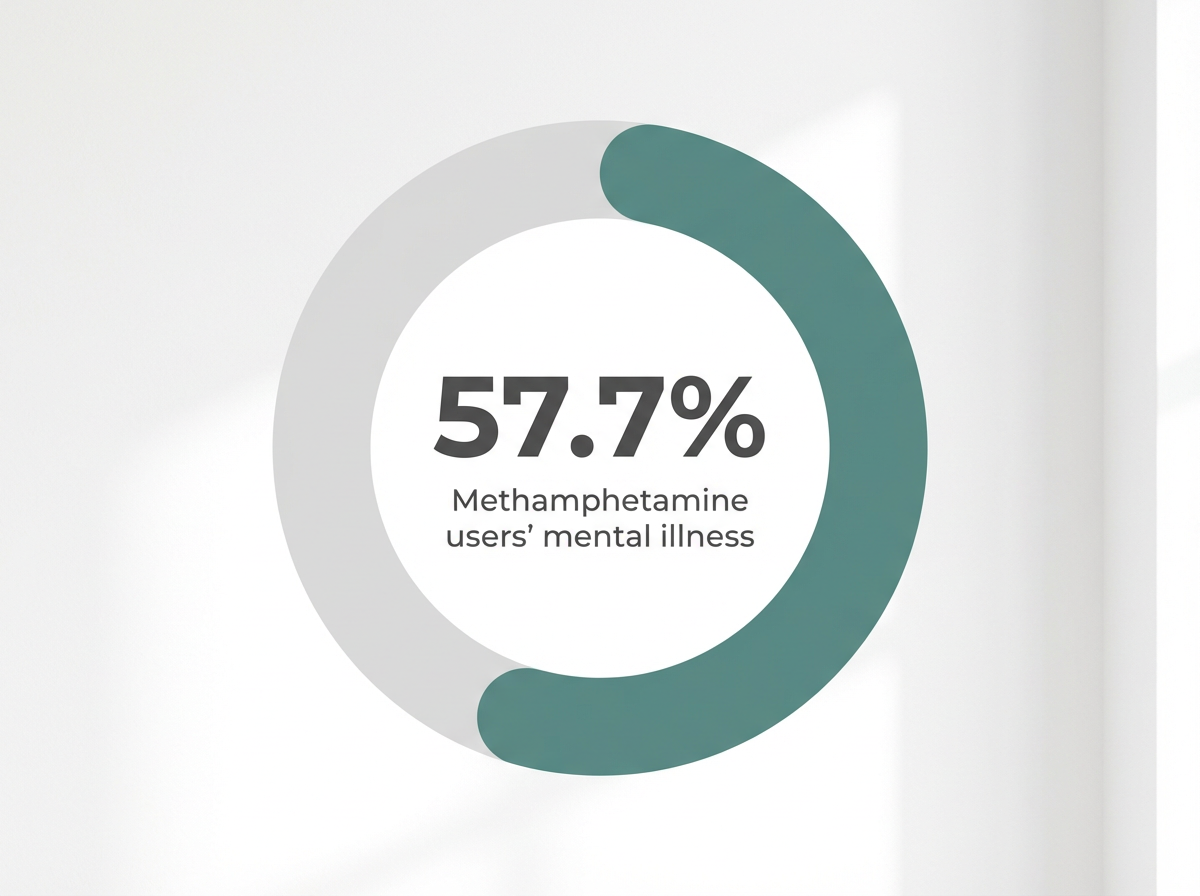
Mental health concerns often go hand-in-hand with methamphetamine use, making it important to look for signs of anxiety, depression, or other emotional struggles alongside substance use. More than half of people using methamphetamine report having a mental illness in the past year, which means both issues are common and deserve attention.7
When seeking rehab for methamphetamine addiction, choosing a program that offers integrated treatment for co-occurring disorders can make recovery more successful. These programs are designed to address both substance use disorder and mental health needs at the same time, providing counseling, medication support, and group therapy. Many methamphetamine treatment programs now screen for mental health symptoms early on to ensure the right support is available.
Determine the Right Level of Care
Determining the right level of care is an important step when looking for rehab for methamphetamine addiction. Some people may benefit most from outpatient care, while others need the structure of a residential program. Programs often assess your needs by looking at your health, support system, and daily responsibilities to recommend the best fit.8
Methamphetamine treatment programs can include a range of services, such as medical monitoring, counseling, and group support. This approach helps make sure your care is matched to how much support you need. Outpatient and residential options are both available, and choosing the right one increases the chance of long-term recovery.
Outpatient vs. Residential Treatment Options
When comparing outpatient and residential options for rehab for methamphetamine addiction, it helps to know how each approach fits different needs. Outpatient programs allow people to live at home while attending therapy and counseling several times a week. This works well for those with strong support systems and lower medical risks.
Residential treatment, on the other hand, provides round-the-clock care in a structured setting, which is often best for individuals needing more supervision or those with complex health needs. Both types of methamphetamine treatment programs include key services like group support, medication management, and counseling.
Choosing the right type of care increases the chance for lasting recovery. Programs can help assess which option matches your situation, making sure you get the support you need.8
How ASAM Criteria Guide Placement Decisions
The ASAM Criteria are a set of guidelines that treatment centers use to decide the most appropriate care level for someone seeking rehab for methamphetamine addiction. They look at six main areas: withdrawal risk, physical health, mental health, readiness to change, possible relapse, and home environment. By reviewing these dimensions, programs can recommend whether someone needs outpatient support, intensive outpatient care, or a residential setting.8
Methamphetamine treatment programs trained in the ASAM Criteria are better equipped to match people with the right kind of help. This means you’re more likely to get services such as medical monitoring or therapy that truly fit your needs. Programs that follow these standards also adjust care if your situation changes, supporting long-term recovery from substance use disorder and methamphetamine dependence.
Step 2: Research Evidence-Based Rehab for Methamphetamine Addiction
Once you've identified your specific treatment needs, the next crucial step is finding programs that use proven, research-backed approaches. Evidence-based programs incorporate treatment methods that have been scientifically tested and shown to produce positive outcomes for people in recovery.
Look for facilities that clearly outline their treatment methodologies on their websites or during initial consultations. Effective programs typically combine multiple therapeutic approaches, including cognitive behavioral therapy (CBT), dialectical behavior therapy (DBT), motivational interviewing, and trauma-informed care. These methods have decades of research supporting their effectiveness in treating substance use disorders.
Pay attention to whether programs offer individualized treatment plans rather than a one-size-fits-all approach. Recovery is deeply personal, and the most successful programs tailor their methods to each person's unique circumstances, co-occurring psychological conditions, and recovery goals. Consider the qualifications of the treatment team as well. Licensed therapists, certified addiction counselors, medical professionals, and peer support specialists all play vital roles in comprehensive care.
Don't hesitate to ask facilities about their success rates, follow-up care, and alumni outcomes. Reputable programs are transparent about their results and eager to share how they measure effectiveness. They should also offer continuing care planning, which research shows significantly improves long-term recovery outcomes.
Identify Treatment Approaches That Work
Identifying treatment approaches that actually work is a key part of choosing rehab for methamphetamine addiction. The most effective programs use methods that are backed by research, like cognitive-behavioral therapy and contingency management. Cognitive-behavioral therapy helps people recognize the thoughts and habits that keep them stuck, while contingency management rewards positive steps, such as staying drug-free, with small incentives. Programs that include these services often see better outcomes and longer-lasting recovery.5
Recently, medication-assisted treatment options for methamphetamine use disorder have also become available, giving new hope to many. For example, a specific combination of medications was shown to help more people reduce methamphetamine use compared to a placebo in clinical trials. When looking for substance use disorder treatment, it’s important to ask what therapies are offered and if they match up with what the research says works best.9
Cognitive-Behavioral and Contingency Methods
Cognitive-behavioral therapy (CBT) and contingency management are two of the most effective methods used in rehab for methamphetamine addiction. CBT helps people understand and change the thoughts and routines that lead to substance use. Through one-on-one or group sessions, individuals learn practical ways to handle cravings and stressful situations without turning to methamphetamine.
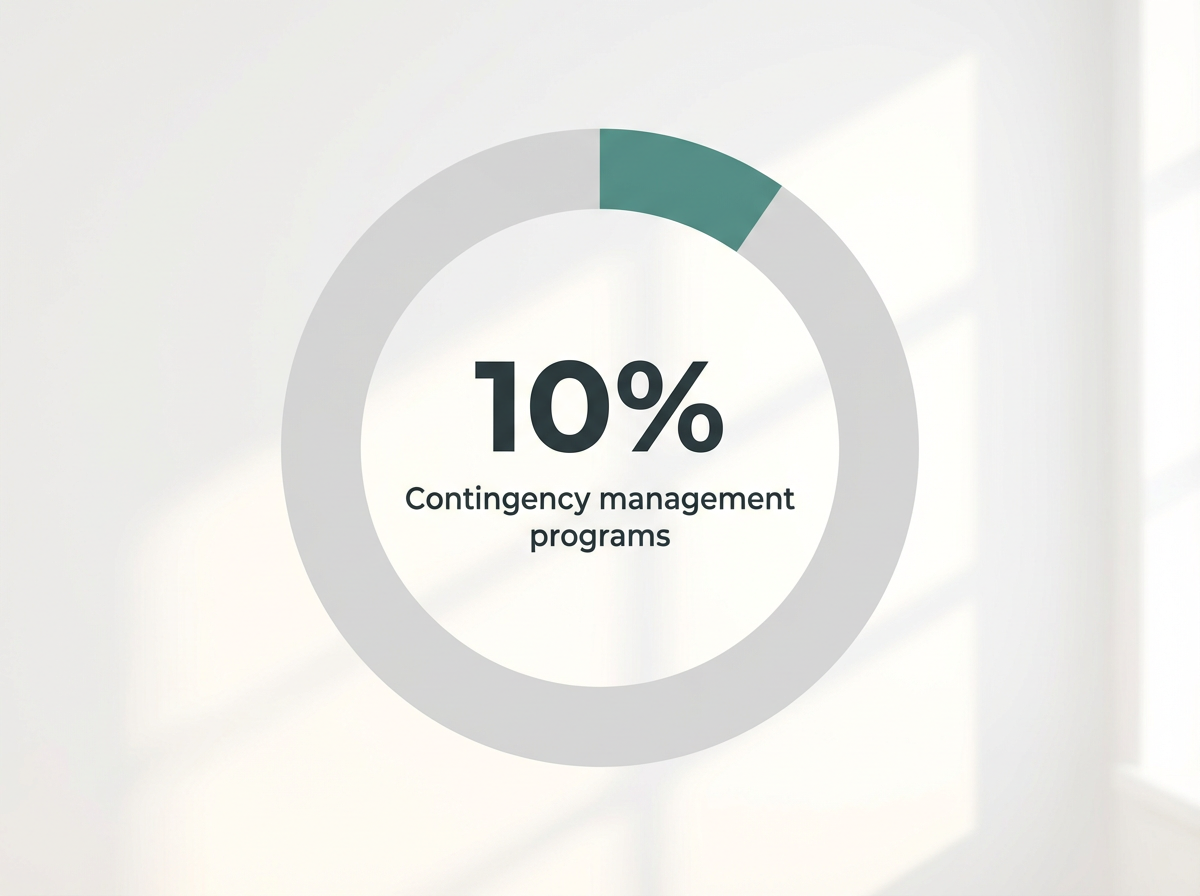
Contingency management takes a different but equally helpful approach. It rewards positive choices, like attending appointments or staying drug-free, with small incentives. According to research, programs that use contingency management have much better outcomes, yet fewer than 10% of treatment centers offer this method even though it is highly effective.5
Many substance use disorder programs now offer both CBT and contingency management as part of their methamphetamine treatment programs. This combined approach can boost your chances of long-term recovery and support your overall well-being.
Medication-Assisted Treatment Advances
Medication-assisted treatment is a newer and promising option for people seeking rehab for methamphetamine addiction. This approach uses carefully chosen medications, such as the combination of naltrexone and bupropion, to help reduce cravings and support recovery. In a recent clinical trial, about 16.5% of people receiving this combination responded positively, compared to just 3.4% in the placebo group—showing the treatment was nearly five times more effective than a placebo.9
Methamphetamine treatment programs now often include medication-assisted options as part of their broader substance use disorder services. This means patients can get help with both the physical and emotional aspects of recovery. Programs that provide medication support, along with counseling and group therapy, offer a more complete path to wellness.
Use Trusted Resources to Locate Facilities
Finding trustworthy rehab for methamphetamine addiction starts with using reliable resources that connect you to quality care. National tools like SAMHSA’s National Helpline and FindTreatment.gov are designed to help you quickly locate methamphetamine treatment programs and substance use disorder services near you. These platforms let you filter facilities by location, treatment approach, and the types of support they offer, making it easier to find programs that meet your specific needs.12
Relying on these resources takes the guesswork out of your search, so you can focus on options that are properly licensed and offer evidence-based care. Many of the programs listed provide counseling, medical support, and help for co-occurring mental health issues—all important services when seeking lasting recovery. If you need additional guidance, many treatment centers offer free consultations to answer questions and help determine the best fit for your situation.
SAMHSA's National Helpline and FindTreatment.gov
SAMHSA’s National Helpline is a free, confidential phone service that operates 24/7, helping people find rehab for methamphetamine addiction and other substance use concerns. When you call, trained staff listen to your needs and provide information on methamphetamine treatment programs and substance use disorder services close to home. The Helpline can also answer questions about insurance, treatment types, and available support for co-occurring mental health issues.1
FindTreatment.gov is another trusted resource, allowing you to search for treatment facilities by location, treatment approach, and services offered. This online tool helps you filter for programs that specialize in medication-assisted treatment, counseling, or support for families. Both the Helpline and FindTreatment.gov are designed to connect you with safe, evidence-based care.
State-Specific Treatment Directories in Maine
Maine residents searching for rehab for methamphetamine addiction can benefit from dedicated state-level directories that list approved treatment centers. The Maine Department of Health and Human Services maintains a comprehensive directory of substance use disorder and methamphetamine treatment programs across the state. This online resource makes it easy to filter by location, level of care, and types of services, such as counseling, medication-assisted treatment, or support for co-occurring mental health conditions.6
Many facilities listed in Maine’s directory offer a broad range of services, including outpatient and intensive outpatient programs, as well as specialized care for dual diagnoses. These directories are updated regularly and help people find programs that are properly licensed and connected to resources like Medicaid coverage.
Recovery Starts With a Conversation
Whether you’re exploring recovery for yourself or seeking guidance for someone you care about, Coastal Recovery Partners is here to help. Our team offers trauma-informed, evidence-based support grounded in structure, compassion, and real connection—without pressure or judgment.
When you’re ready, we’ll meet you where you are and help you take the next step forward.
Step 3: Verify Insurance for Methamphetamine Addiction Rehab
Once you've identified potential treatment programs, the next crucial step involves understanding the financial logistics. Understanding the financial aspects of treatment before admission helps individuals and their families make informed decisions and reduces stress during an already challenging time. Many people discover they have more coverage options than initially expected when they take time to thoroughly investigate their benefits.
Start by contacting the insurance provider directly to verify behavioral health and substance use disorder benefits. Ask specific questions about inpatient treatment coverage, including the length of stay covered, any pre-authorization requirements, and whether the facility under consideration is in-network. Request this information in writing to avoid confusion later.
Most treatment centers employ insurance verification specialists who can help navigate this process. These professionals understand the complexities of behavioral health coverage and can often identify benefits that individuals might overlook. They can also explain out-of-pocket costs, deductibles, and any potential gaps in coverage before treatment begins.
Beyond traditional insurance, explore alternative financial options that might be available. Some facilities offer sliding scale fees based on income, payment plans that spread costs over time, or scholarships for those facing financial hardship. Health savings accounts (HSAs) and flexible spending accounts (FSAs) can often be applied toward treatment expenses as well.
Don't let financial concerns prevent exploring quality treatment options. Many people find that investing in comprehensive care early prevents more costly interventions down the road. Emergency room visits, legal issues, and ongoing struggles with untreated psychiatric conditions often accumulate far greater expenses over time.
Understand Your Insurance Coverage
Understanding your insurance coverage is a crucial step when searching for rehab for methamphetamine addiction. Most methamphetamine treatment programs accept a range of insurance types—including Medicare, Medicaid, and private health plans—which can help cover important services like counseling, group therapy, and medication-assisted treatment.4
Checking with your insurance provider or a treatment center’s admissions team can clarify what’s included and what might require extra payment. Many substance use disorder programs have staff who will guide you through this process, answer questions, and help you make sense of your benefits. Having the right information makes it easier to plan for treatment and focus on recovery.
Medicare and Medicaid Coverage Requirements
Medicare and Medicaid both play an important role in helping people access rehab for methamphetamine addiction. Medicare covers medically necessary addiction treatment services, such as outpatient counseling, group therapy, and medication-assisted treatment, as long as they are delivered by qualified providers. Medicaid, which is run by each state, must also cover behavioral health and evidence-based methamphetamine treatment programs for adults who meet eligibility requirements.4
Coverage details can vary, especially with Medicaid, depending on your state’s rules. Some states offer a wider range of services, while others may have limits on residential or intensive outpatient care. Many treatment centers have dedicated staff who help you understand these requirements and guide you through enrollment or verification.
Private Insurance and Parity Protections
Private insurance plans are a common way people pay for rehab for methamphetamine addiction. Thanks to mental health parity laws, insurance companies must provide the same level of coverage for substance use disorder treatment as they do for other medical needs. This means your plan should cover services like counseling, group therapy, and medication-assisted treatment, just as it would for physical health conditions.4
If you have private insurance, contact your provider or a treatment center’s admissions team to review your benefits. Many methamphetamine treatment programs have staff who can help explain what your plan covers, what your out-of-pocket costs might be, and how to get the necessary pre-approvals. These programs often assist with paperwork and can answer questions about in-network providers, making the process less stressful.
Explore Alternative Payment Arrangements
If you don’t have insurance or your plan doesn’t cover all treatment needs, there are still options for paying for rehab for methamphetamine addiction. Many methamphetamine treatment programs offer alternative payment arrangements, such as sliding scale fees based on your income or access to state-funded programs for those who qualify. These programs aim to make substance use disorder and methamphetamine treatment programs accessible, even if you’re facing financial challenges.
Some centers also provide payment plans or connect you with local grants and charitable support. Staff at these facilities are trained to walk you through all available financial options, answer your questions, and help you apply for assistance. Exploring these resources allows you to focus on getting well, rather than worrying about cost.4
Sliding Scale Fees and State-Funded Programs
Sliding scale fees and state-funded programs can make rehab for methamphetamine addiction possible for people who worry about cost. Many methamphetamine treatment programs base sliding scale fees on your income, which helps lower the price for those with less ability to pay. This makes essential services like counseling, group therapy, and medication-assisted treatment available to more people, especially those struggling with substance use disorder or seeking methamphetamine treatment programs.
State-funded programs are another important resource, especially if you don’t have insurance or your coverage is limited. These programs receive government support to help cover the cost of treatment and often include options for outpatient, residential, and intensive outpatient services. Facilities may also help you apply for state assistance or connect you with local grants.
Questions to Ask About Transparent Pricing
When exploring rehab for methamphetamine addiction, it’s wise to ask for clear and straightforward information about costs before choosing a program. Start by requesting a written breakdown of all fees, including what is covered by insurance and what might require separate payment. Knowing in advance about charges for counseling, group therapy, medication-assisted treatment, and other services can help you avoid unexpected expenses.4
It’s also helpful to ask if there are any extra costs for assessments, lab work, or aftercare support. A good methamphetamine treatment program will explain their payment options, such as payment plans or financial assistance, in plain language. Staff should be ready to answer your questions and help you compare program costs.
Step 4: Evaluate Program Quality and Fit
Once you've narrowed down facilities that accept your insurance, it's time to dig deeper into what makes each program unique. Not all treatment centers offer the same level of care, therapeutic approaches, or support services, so understanding these differences helps ensure the best possible outcome for your recovery.
Start by researching each facility's accreditation status. Look for accreditation from organizations like The Joint Commission or CARF International, which verify that programs meet rigorous quality standards. These certifications indicate a commitment to evidence-based practices and continuous improvement.
Next, examine the treatment philosophies and therapeutic modalities each program offers. Some facilities specialize in cognitive behavioral therapy, while others incorporate holistic approaches like yoga, meditation, or art therapy. Consider what resonates most with your needs and preferences. For instance, if you're struggling with trauma, you may benefit from programs offering trauma-informed care or EMDR therapy.
The staff-to-patient ratio matters significantly. Facilities with lower ratios typically provide more individualized attention and support. Ask about staff qualifications too—are therapists licensed and experienced in treating your specific challenges? Don't overlook aftercare planning. Quality programs begin discharge planning on day one, ensuring a smooth transition back to daily life. Look for facilities that offer alumni programs, ongoing therapy options, and connections to local support groups.
Finally, trust your instincts during facility tours or virtual consultations. Pay attention to the environment, cleanliness, and how staff interact with current residents. If you're involving family members in your decision-making process, consider their observations as well. The right program should feel supportive and professional, creating an atmosphere where healing can truly begin.
Assess Accreditation and Clinical Credentials
When looking for rehab for methamphetamine addiction, checking a program’s accreditation and clinical credentials is a smart move. Accreditation from well-known organizations, such as CARF, shows that a treatment center meets strict standards for care, safety, and ongoing improvement. This adds an extra layer of trust and helps you know the program follows best practices for treating substance use disorder and methamphetamine use disorder.10
It’s also important to look at the staff’s qualifications and the level of medical oversight provided. Programs with licensed counselors, experienced addiction specialists, and medical professionals are better equipped to deliver high-quality methamphetamine treatment programs. These experts can address both mental health and substance use needs, offering services that support lasting recovery.
What CARF Accreditation Means for Quality
CARF accreditation is a sign that a rehab for methamphetamine addiction meets high standards for quality, safety, and care. CARF, which stands for the Commission on Accreditation of Rehabilitation Facilities, reviews treatment centers to ensure they follow best practices for substance use disorder and methamphetamine treatment programs. Accredited programs are evaluated on everything from staff training to patient safety, and they must show a commitment to ongoing improvement.10
By choosing a rehab center with CARF accreditation, you know the program has been carefully checked by an independent organization. This offers extra peace of mind for you and your family. Many methamphetamine treatment programs are proud to display their CARF status, as it reflects their dedication to offering safe, effective, and compassionate services.
Staff Qualifications and Medical Oversight
The qualifications of staff and the level of medical oversight are key factors when considering rehab for methamphetamine addiction. Look for programs where treatment teams include licensed counselors, certified addiction specialists, and medical professionals such as doctors or nurse practitioners. These experts are trained to recognize and address both substance use disorder and any co-occurring mental health needs, which improves the chances of successful recovery.
Effective methamphetamine treatment programs often provide regular medical check-ins, medication management, and close supervision during the early stages of care. Having skilled professionals on staff means you’ll receive evidence-based therapies and safe monitoring throughout your treatment journey.5
Consider Scheduling and Support Services
When choosing rehab for methamphetamine addiction, the flexibility of scheduling and range of support services can make a big difference in your experience. Many methamphetamine treatment programs now offer evening or weekend sessions, making it easier for people with work or family obligations to attend regularly. These programs may also provide telehealth options, so you can access counseling and group therapy from the comfort of your home if needed.
Substance use disorder treatment centers often include extra support like case management, peer groups, and family counseling, all designed to help you stay engaged and supported throughout your recovery journey. Research shows that programs with strong support services and flexible hours often have better treatment retention rates, with some centers achieving over 50% retention depending on their structure and approach.5
Flexible Hours for Working Professionals
Flexible hours are a key feature for working professionals looking for rehab for methamphetamine addiction. Many methamphetamine treatment programs recognize that not everyone can attend sessions during regular business hours. To help, these programs often offer evening and weekend appointments, making it much easier for people to keep their jobs while getting the help they need.
Telehealth options are also becoming more common, allowing individuals to attend counseling or group therapy sessions from home or during a break at work. Substance use disorder programs that provide this flexibility support better treatment retention, with some centers reporting over 50% retention when flexible scheduling is available.5
Trauma-Informed Care and Relapse Prevention
Trauma-informed care is a vital part of rehab for methamphetamine addiction. Many people seeking help have experienced trauma or stressful events, and programs that understand this can create a safer and more supportive environment. Trauma-informed methamphetamine treatment programs focus on building trust, avoiding triggers, and making sure care is sensitive to each person’s history.
Relapse prevention is another key service. Effective programs teach practical skills for handling cravings, stress, and high-risk situations. They may offer relapse prevention groups, ongoing counseling, and easy access to support even after formal treatment ends. Research shows that programs with strong relapse prevention and trauma-informed care can boost treatment retention to over 50%, compared to lower rates in less supportive settings.5
Step 5: Common Challenges When Finding Treatment
After completing the evaluation process outlined in the previous steps, many individuals and families encounter similar obstacles when moving forward with treatment. Understanding these common challenges—whether you're seeking help for yourself or supporting a loved one—can help you prepare for the road ahead and remind you that others have successfully navigated these same difficulties.
Challenges for Individuals Seeking Treatment
For those considering treatment for themselves, one of the most significant hurdles is navigating insurance coverage and understanding what services are covered. Behavioral health and addiction treatment benefits vary widely between plans, and determining coverage details often requires multiple phone calls and persistent follow-up. Additionally, many quality programs have waiting lists, which can be frustrating when immediate help feels necessary.
Geographic limitations present another common challenge. Those in rural areas may find limited local options, requiring consideration of programs farther from home. This distance can create concerns about being away from familiar support systems during recovery. The sheer volume of information available online can also become overwhelming. With countless facilities advertising their services, distinguishing between evidence-based programs and those making unrealistic promises requires careful research and discernment.
Challenges for Families Supporting Someone
Families face many of the same logistical challenges, but often encounter an additional layer of complexity when their loved one feels ambivalent about treatment or doesn't believe they need help. This requires balancing respect for autonomy with concern for safety and wellbeing.
In these situations, professional guidance can make the process more manageable. Services such as professional interventions can provide expert support in facilitating difficult conversations, navigating treatment options, and coordinating logistics. Having an experienced guide—whether a therapist, interventionist, or treatment consultant—can help transform what feels like an impossible maze into a clearer path forward, providing ongoing support throughout the process.
Overcoming Barriers to Starting Treatment
Getting started with rehab for methamphetamine addiction can feel overwhelming, especially when faced with common obstacles like stigma, fear, or practical worries. Many people hesitate to reach out because they feel ashamed or worry about what others might think. These feelings are very common, but support is available and you are not alone. Substance use disorder is a health condition, not a moral failing, and treatment programs are designed to welcome you with understanding and respect.
Another challenge is the worry about fitting treatment into a busy life. Methamphetamine treatment programs are aware of these concerns and offer services such as flexible hours and telehealth visits, so you don’t have to choose between work, family, and recovery. If you’re uncertain or anxious about what to expect, most programs offer free consultations to answer questions and explain the admissions process. Research shows that less than one-third of people who need care actually receive it each year, often due to these very barriers.3
Addressing Stigma and Fear of the Unknown
Addressing stigma and fear is a key part of starting rehab for methamphetamine addiction. Many people feel shame or worry about what others might think if they seek help, but it’s important to remember that substance use disorder is a health condition, not a personal failure. In fact, less than one-third of people who need care reach out for treatment each year, often because of these fears.3
"Compassionate methamphetamine treatment programs work hard to create a welcoming space where everyone is treated with respect and understanding."
If the unknown is making you anxious, know that most programs offer clear information about what to expect, and staff are ready to answer any questions you have. Services often include counseling and peer support, which help reduce isolation and build confidence. By choosing a center that values dignity and offers supportive substance use disorder services, you can take the first step toward recovery with greater comfort.
Managing Time Constraints and Work Obligations
Balancing work and family life while seeking rehab for methamphetamine addiction can feel challenging, but many treatment programs are designed to help you manage these responsibilities. Outpatient and intensive outpatient methamphetamine treatment programs often offer flexible scheduling, including evening and weekend sessions, so you can keep your job and attend important appointments.
Telehealth services are also becoming more common, allowing you to join counseling or group therapy sessions from home or during a break at work. These flexible options mean you don’t have to choose between your health and your daily obligations. Substance use disorder programs will work with you to find a plan that fits your schedule and supports your recovery goals.
Navigating Treatment Gaps and Wait Times
Finding rehab for methamphetamine addiction sometimes means facing delays or limited program availability, especially in areas with high demand. Many people discover that waitlists exist, or that certain methamphetamine treatment programs fill up quickly. This can be frustrating, but it’s a common part of the recovery journey. Only about one-third of those who need care actually receive it each year, and wait times are one reason for this gap.3
While waiting, it’s helpful to stay in touch with treatment centers, check on openings regularly, and ask about alternative options such as telehealth or support groups. Many substance use disorder programs offer services like virtual counseling, self-help resources, or interim support calls to help bridge the gap. These efforts keep you connected and supported until you can start a full program.
What to Do While Waiting for Program Admission
Waiting for a spot in rehab for methamphetamine addiction can be difficult, but there are steps you can take to stay supported and focused on your recovery. Many methamphetamine treatment programs offer interim services such as virtual counseling, self-help resources, or regular check-in calls to help you bridge the gap. Connecting with local or online support groups for substance use disorder can also provide encouragement and help you feel less alone.
It’s a good idea to keep a list of questions for the program, stay in regular contact with the admissions team, and ask about any cancellations or early openings. While you wait, taking care of your health is important. Try to maintain daily routines, reach out to trusted friends or family, and avoid high-risk situations. If you’re struggling, some centers can provide short-term counseling or peer support until your official program start date.
Recognizing When to Escalate Care Level
There are times when waiting for a spot in rehab for methamphetamine addiction may not be safe or effective, and knowing when to seek a higher level of care is critical. If you or your loved one starts to experience worsening symptoms—such as intense cravings, severe withdrawal, mental health crises, or a real risk of harm—it’s important to let the treatment center know right away. Substance use disorder can sometimes escalate quickly, and methamphetamine treatment programs are equipped to help you reassess your needs if things change.
Some signs that you might need more urgent or intensive support include new or worsening thoughts of self-harm, medical complications, or being unable to stay safe in your current environment. In these cases, programs can arrange for immediate outpatient visits, crisis intervention, or even direct admission to a higher level of care like residential treatment.
Take the Next Step Toward Recovery
Recovery from addiction is possible, and taking that first step doesn't have to feel overwhelming. Whether someone is struggling with substance abuse, behavioral addictions, or co-occurring psychological challenges, professional support can make all the difference in building a foundation for lasting change.
Reaching out for help is a sign of strength, not weakness. Many people spend months or even years trying to manage their addiction alone before seeking treatment. The reality is that addiction affects brain chemistry and behavior in ways that make it extremely difficult to overcome without proper guidance and support. Professional treatment provides the tools, strategies, and accountability needed to break free from destructive patterns.
Treatment programs are designed to meet individuals where they are in their recovery journey, offering personalized care that addresses both immediate needs and long-term wellness. Beyond traditional therapy, comprehensive treatment addresses the whole person—including medical support for safe detoxification when needed, psychiatric care for co-occurring disorders, and holistic approaches that promote overall health. Many programs also incorporate life skills training, relapse prevention planning, and aftercare support to help individuals maintain their recovery long-term.
Taking action today can open the door to a healthier, more fulfilling tomorrow. Here are concrete steps to begin the recovery journey:
- Contact a treatment facility or addiction specialist to discuss available options and determine the right level of care. Most facilities offer free, confidential consultations to answer questions and provide guidance without pressure or judgment.
- Call a national helpline such as SAMHSA's National Helpline (1-800-662-4357) for immediate support, information about local treatment resources, and assistance navigating insurance or payment options. These services are available 24/7 and completely confidential.
The journey to recovery looks different for everyone, but no one has to walk it alone. Every person who has successfully overcame addiction started exactly where someone struggling might be today—uncertain, perhaps afraid, but willing to take one small step forward. Support is available, hope is real, and recovery is within reach for anyone ready to embrace the possibility of change. The path forward begins with a single decision to seek help, and that decision can be made right now.
Remember that recovery is a journey of rebuilding trust—in yourself, in others, and in the process of healing. If you are ready to explore your options, reach out to Coastal Recovery today. We're here to help guide you toward a future defined not by your past, but by your resilience and hope.
Frequently Asked Questions
When searching for the right treatment center, many people have similar questions about what to expect and how to get started. Understanding the basics can help reduce anxiety and make the decision-making process feel more manageable.
How effective is treatment for methamphetamine addiction?
Treatment for methamphetamine addiction can be very effective, especially when evidence-based approaches are used. Programs that include cognitive-behavioral therapy and contingency management have shown much better results than older, abstinence-only models. For example, contingency management—where positive behaviors are rewarded—has some of the highest success rates, but is offered by fewer than 10% of treatment programs.5
Newer medication-assisted treatments, like the combination of naltrexone and bupropion, have also shown encouraging results, helping about five times more people reduce methamphetamine use compared to a placebo. Methamphetamine treatment programs that offer counseling, group therapy, medical support, and a caring environment can help people achieve and maintain recovery.9
Can family members participate in the treatment process?
Yes, family members can participate in the treatment process for rehab for methamphetamine addiction. Most methamphetamine treatment programs recognize that support from loved ones can make a big difference in recovery. Services often include family counseling, educational sessions, and opportunities for family members to join group meetings or workshops.
This involvement helps everyone better understand substance use disorder and learn healthy ways to communicate and support each other. Research shows that family engagement can improve treatment retention and outcomes for those seeking help.5
What's the difference between outpatient and intensive outpatient programs?
Outpatient and intensive outpatient programs (IOPs) are both popular options for rehab for methamphetamine addiction, but they offer different levels of support. Outpatient programs usually involve meeting with counselors or joining group therapy sessions a few times a week, letting you continue with work, school, or family responsibilities.
Intensive outpatient programs provide more structure, typically requiring attendance several days per week for longer sessions. This approach is helpful if you need extra support but do not require 24-hour care. IOPs include more frequent therapy and services, making them a strong choice for those who need more help than basic outpatient care provides, but who can still live at home safely.
Is telehealth treatment as effective as in-person care?
Yes, telehealth treatment can be just as effective as in-person care for many people seeking rehab for methamphetamine addiction. Research shows that telehealth services—including video counseling, group sessions, and medication management—provide similar outcomes to traditional face-to-face treatment for substance use disorder.5
Methamphetamine treatment programs have adapted to offer secure, easy-to-use telehealth options, making it possible to receive high-quality care from home. This approach is especially helpful for those with busy schedules or limited access to transportation.
What should I bring to my first treatment appointment?
When heading to your first rehab for methamphetamine addiction appointment, it’s helpful to bring a few important items to make your intake process smooth. Most methamphetamine treatment programs recommend bringing a valid photo ID, your insurance card (if you have one), and a list of current medications.
It’s also wise to write down any medical or mental health history, as well as emergency contact information. Some centers may ask for proof of address or employment, so having recent mail or a work badge can be useful. If you have questions about what to bring, don’t hesitate to call ahead—staff at substance use disorder programs are happy to guide you through the process.4
How do treatment centers handle co-occurring trauma?
Treatment centers handle co-occurring trauma by using trauma-informed care, which is a special approach that recognizes how past traumatic experiences can impact recovery from methamphetamine addiction. Programs that offer trauma-informed services create a safe and welcoming environment, avoid practices that might trigger painful memories, and help individuals build trust with their care team.
Methamphetamine treatment programs often include therapy sessions focused on trauma and teach practical skills for coping with stress or upsetting memories. By blending trauma support with substance use disorder care, these programs help people heal both emotionally and physically.5
Can I receive treatment while still working full-time?
Yes, you can receive treatment for methamphetamine addiction while working full-time. Many rehab for methamphetamine addiction programs offer flexible options like evening or weekend sessions and telehealth appointments, making it possible to keep your job and attend therapy or group meetings.
Outpatient and intensive outpatient methamphetamine treatment programs are designed for people with busy work schedules, so you don’t have to choose between recovery and your career. In fact, programs that provide flexible scheduling see higher treatment retention—over 50% in some cases—showing that support can fit into your life without leaving work behind.5
What if I have both mental health issues and methamphetamine use disorder?
If you have both mental health issues and methamphetamine use disorder, you are not alone—nearly 58% of people using methamphetamine report having a mental illness in the past year. The best approach is to seek rehab for methamphetamine addiction that offers integrated treatment for both conditions.7
Integrated programs are designed to address substance use disorder and mental health needs at the same time, rather than treating them separately. These methamphetamine treatment programs often include counseling, medication support, and group therapy tailored for people with co-occurring disorders, so you can receive care for your whole self.
Are there medications available to help with methamphetamine addiction?
Yes, there are medications now available to help with methamphetamine addiction. The most promising option is a combination of naltrexone and bupropion, which has been shown in clinical trials to help reduce methamphetamine use. In one study, about 16.5% of people receiving this combination responded positively, compared to just 3.4% in the placebo group—making it nearly five times more effective than a placebo.9
Many rehab for methamphetamine addiction programs now consider medication-assisted treatment as part of a full recovery plan. These programs also provide support like counseling and group therapy, which work hand-in-hand with medication to treat substance use disorder and methamphetamine use disorder.
How long does methamphetamine treatment typically last?
The length of methamphetamine treatment depends on your individual needs and the type of program you choose. Most rehab for methamphetamine addiction programs last between 12 and 16 weeks, which research shows can be enough for many people to make progress. However, some individuals benefit from longer treatment—up to 6 or even 12 months—especially if they have more complex substance use disorder or mental health needs.5
What if I can't afford treatment or don't have insurance?
If you can’t afford rehab for methamphetamine addiction or don’t have insurance, there are still ways to get the help you need. Many methamphetamine treatment programs offer sliding scale fees based on your income, so the cost adjusts to what you can manage. State-funded programs and grants can also cover part or all of your care if you qualify.
According to CMS, Medicaid must provide coverage for behavioral health and evidence-based substance use disorder services in every state, and many centers have staff who will help you apply or find the right resources.4
Will my employer find out if I enter treatment?
Your privacy is protected when you enter rehab for methamphetamine addiction. By law, treatment centers must keep your health information private, and your employer cannot find out about your participation unless you choose to share it. Methamphetamine treatment programs follow strict federal guidelines, such as HIPAA and 42 CFR Part 2, which safeguard your records and any details about your substance use disorder care.4
What happens if I relapse during or after treatment?
If you relapse during or after rehab for methamphetamine addiction, it doesn’t mean you have failed or that recovery is out of reach. Relapse is common in treating substance use disorder, and many people experience setbacks as they work toward lasting change. Methamphetamine treatment programs are prepared to help in these situations by offering additional counseling, group support, or adjustments to your treatment plan.
Research shows that staying engaged with methamphetamine treatment programs, even after a relapse, improves your chances of long-term recovery.5
How do I know if a program is using evidence-based practices?
To know if a rehab for methamphetamine addiction uses evidence-based practices, start by asking about the therapies and approaches they offer. The strongest programs use treatments backed by research—such as cognitive-behavioral therapy and contingency management—which have been shown to improve outcomes for substance use disorder and methamphetamine treatment programs.5
You can also look for signs like CARF accreditation, which means the program meets strict standards for delivering proven care.10
References
- SAMHSA's National Helpline: Substance Use & Mental Health Treatment Referral. https://www.samhsa.gov/find-help/helplines/national-helpline
- SAMHSA's Find Treatment Services Locator. https://findtreatment.gov
- 2023 National Survey on Drug Use and Health: State Estimates of Substance Use and Mental Illness. https://www.samhsa.gov/data/sites/default/files/reports/rpt29393/2023NSDUHStateEstimates.pdf
- CMS: Mental Health and Substance Use Disorder Treatment Coverage. https://www.cms.gov/priorities/key-initiatives/mental-health-and-substance-use-disorder-treatment
- NIDA: Principles of Drug Addiction Treatment - Research-Based Guide. https://www.drugabuse.gov/sites/default/files/PODAT_2018_Citations.pdf
- Maine Department of Health and Human Services: Substance Abuse Services. https://www.maine.gov/dhhs/amh/substance-abuse-services
- SAMHSA: Integrated Treatment for Co-Occurring Disorders. https://www.integration.samhsa.gov/
- ASAM: The ASAM Criteria for Patient Placement and Treatment Planning. https://www.asam.org/quality/the-asam-criteria
- NIH: Combination Treatment for Methamphetamine Use Disorder Shows Promise. https://www.nih.gov/news-events/news-releases/combination-treatment-methamphetamine-use-disorder-shows-promise-nih-study
- CARF International: Accreditation Standards for Addiction Treatment. https://www.carf.org/