
Mistakes to Avoid When Looking for Outpatient Treatment

Key Takeaways: Making the Right Choice
- Prioritize Clinical Fit: Don't choose a facility solely based on location; ensure they specialize in your specific needs (e.g., trauma, dual diagnosis).
- Verify Credentials: Look for CARF accreditation and licensed staff (LCSW, LADC) to ensure safety and quality.
- Demand Transparency: Get a written estimate of costs and verify insurance coverage before enrollment to avoid financial surprises.
- Plan for the Long Term: Recovery doesn't end at discharge; ensure the program has a robust aftercare and alumni network.
Why the Wrong Outpatient Addiction Treatment South Portland ME Derails Recovery
Selecting the wrong treatment program creates a domino effect that can compromise an individual's entire recovery journey. When you are searching for outpatient addiction treatment South Portland ME, it is vital to realize that a facility mismatch often leads to generic interventions that fail to address underlying issues like co-occurring psychiatric conditions or trauma histories.
This mismatch often leads to premature discharge or relapse shortly after completing treatment. Research indicates that individuals who don't receive appropriate, evidence-based care for their specific circumstances face significantly higher relapse rates within the first year. The consequences extend beyond clinical outcomes—families invest substantial emotional energy and resources into treatment, and when it doesn't work, discouragement and hopelessness can set in.
Treatment selection errors also waste precious time. Addiction progresses while individuals cycle through programs that aren't equipped to help them. Each failed attempt can deepen feelings of shame and reinforce the false belief that recovery isn't possible, making it harder to seek help again. The reality is that effective treatment requires careful matching between an individual's unique needs and a facility's specialized capabilities.
The High Stakes of Choosing the Wrong Program
Choosing a program that lacks experience with your specific substance of concern or does not provide trauma-informed care often means you do not get the support or tools you truly need. Research highlights that more than half of people seeking addiction care have already been through at least one previous treatment episode—often because the first program wasn’t equipped to address their unique needs.10
To avoid this pitfall, start by gathering as much information as possible. Schedule consultations and ask direct questions about available therapies, staff credentials, and aftercare planning. When you choose a center that offers personalized assessments and evidence-based therapies, you invest in a foundation for long-term recovery.
How Poor Choices Lead to Relapse Cycles
Enrolling in a program based solely on convenience or surface impressions often leads to missing critical elements like individualized care. This mismatch can leave underlying issues unaddressed, causing recovery efforts to stall. National data reveals that nearly 55% of people entering treatment have already been through a previous program.10
To break this cycle, ensure the program offers thorough assessments and a wide spectrum of therapies tailored to your personal history. Ask about relapse prevention planning and ongoing support groups. These services are designed to help clients build resilience and maintain momentum in recovery.

Prioritizing Location Over Quality Outpatient Addiction Treatment South Portland ME
Distance becomes the deciding factor for many families facing the urgent need for substance abuse treatment. While convenience matters, selecting a facility solely because it's nearby often leads to mismatched care that doesn't address specific addiction challenges. A local outpatient program might seem practical, but if it lacks the expertise for complex dual diagnosis cases, the results can be detrimental.
The consequences of proximity-based decisions frequently surface weeks into treatment. Research indicates that patients placed in programs matching their clinical needs show completion rates 40-60% higher than those in mismatched settings. Families discover their loved one needs services the chosen facility doesn't provide, forcing difficult transitions during vulnerable recovery phases.
Why Location Shouldn't Be Your Only Factor
Many people searching for treatment make the mistake of picking a center purely because it's close to home. While a short commute is appealing, relying only on location often means missing out on specialized care. For example, someone might choose the nearest clinic, only to discover later that it doesn’t offer evidence-based therapies or support for co-occurring mental health conditions.1
To avoid this, list the qualities you need most—such as trauma-informed therapy or medication-assisted treatment—before looking at a map. Research clinics in your area and ask about their full range of services, even if it means considering a slightly longer drive or telehealth options.
Matching Your Needs to Treatment Specialties
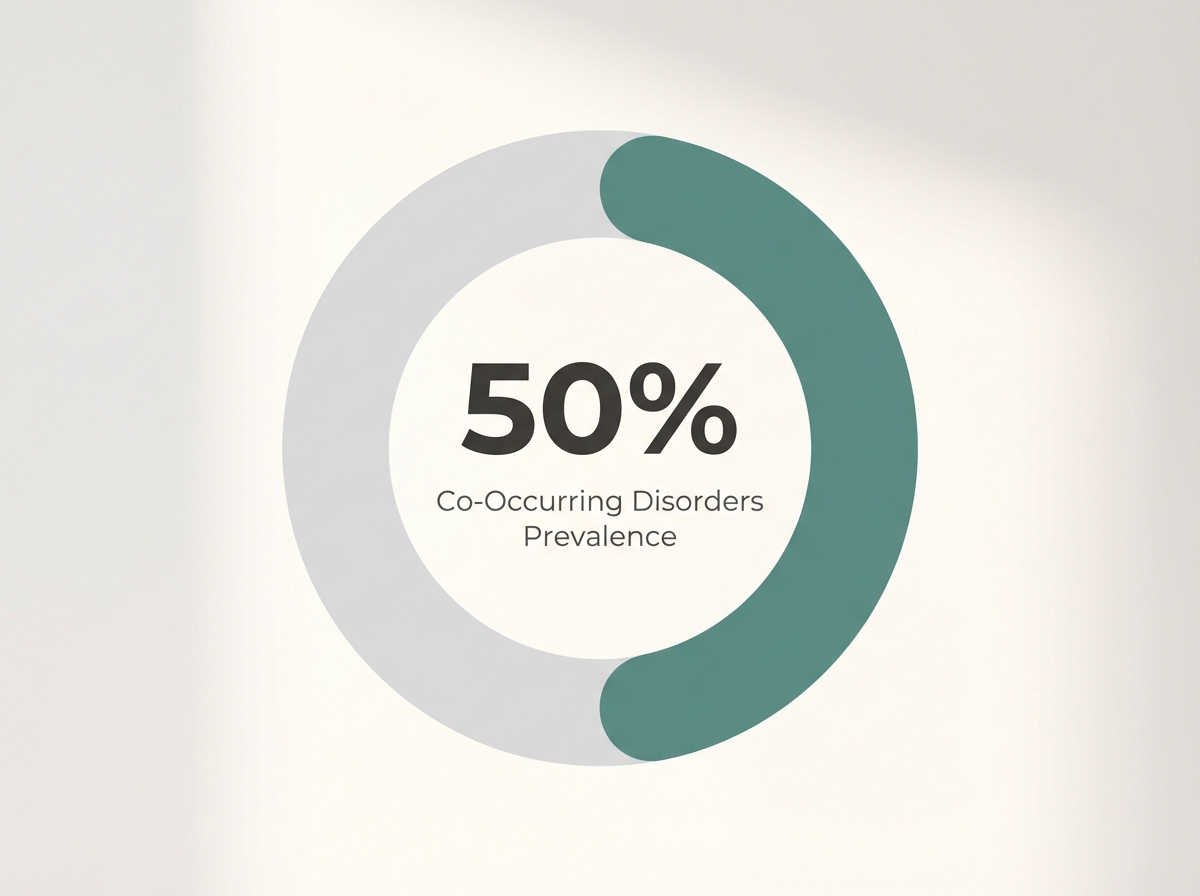
A common mistake is overlooking how well a program’s specialties fit your unique needs. Someone with both substance use and mental health concerns may choose a general program, only to find it doesn’t offer integrated dual diagnosis treatment. Research shows that about half of people with substance use disorders also have a mental health disorder, and those who receive combined care see better outcomes.4
Identify any co-occurring conditions, past trauma, or preferences for specific therapies. Ask each center about their experience treating your combination of needs. Taking these steps will help ensure the program you pick truly fits, setting you up for real progress.
Skipping Credential and Accreditation Checks
When families feel desperate to find help quickly, they sometimes skip the essential step of verifying a treatment center's credentials. This oversight can lead to selecting a facility that doesn't meet industry standards. Legitimate treatment centers maintain accreditation from recognized organizations like The Joint Commission or CARF International.
Unaccredited facilities may lack proper oversight, use unproven treatment methods, or employ inadequately trained staff. Some may even make unrealistic promises about treatment outcomes. The consequences can be devastating—families have discovered their loved ones receiving "treatment" from unlicensed counselors using harmful techniques.
What CARF and State Licensing Really Mean
Skipping over CARF accreditation or state licensing checks can leave you vulnerable. CARF (Commission on Accreditation of Rehabilitation Facilities) is an independent nonprofit that reviews addiction treatment programs for quality and safety. State licenses confirm a program meets minimum legal requirements.9
Verification Checklist:
- Look for the CARF or Joint Commission logo on the website.
- Verify credentials using the accrediting body's online provider search.
- Contact the state health department to confirm current licensing.
- Ask staff about their most recent accreditation survey results.
Verifying Staff Qualifications Before Enrollment
Skipping a close look at staff qualifications can mean working with counselors who lack the training needed for safe care. Some centers may rely on staff with minimal addiction-specific credentials. National accrediting bodies highlight that ongoing professional development is a key indicator of quality.9
Ask about the specific licenses held by the team. You should look for:
LADC(Licensed Alcohol and Drug Counselor)LCSW(Licensed Clinical Social Worker)ABAM(American Board of Addiction Medicine) certifications
Request information on staff-to-client ratios and ongoing training in trauma-informed care.
Ignoring Dual Diagnosis and Co-Occurring Care
Many individuals struggling with addiction also face psychological challenges like depression, anxiety, PTSD, or bipolar disorder. When treatment centers fail to address these co-occurring conditions, recovery becomes significantly more difficult.
"Treating only the addiction while ignoring underlying emotional and psychiatric issues is like putting a bandage on a wound that needs stitches—it simply won't hold."
Dual diagnosis treatment recognizes that substance use and psychological conditions often fuel each other. Without integrated care, individuals may find themselves caught in a revolving door of relapse. Quality treatment programs understand that lasting recovery requires addressing all factors contributing to substance use simultaneously.
Why Half of SUD Cases Require Mental Health Care
A major oversight is not recognizing just how common it is for substance use disorders (SUD) and mental health issues to occur together. Around 50% of people who struggle with substance use also live with conditions like depression or anxiety. If a program only treats addiction, important symptoms can be missed.4
Begin by honestly assessing any mental health symptoms you may be experiencing. When contacting treatment centers, ask directly if they offer "dual diagnosis" or "co-occurring disorder" treatment. Quality outpatient programs provide access to licensed therapists and psychiatric care to address both sides of the problem.
Finding Integrated Treatment Instead of Piecemeal
Trying to manage substance use and mental health concerns by piecing together separate services is often less effective. This split approach can cause confusion and inconsistent care. Research shows that people with co-occurring disorders respond best to a combined, integrated treatment program.4
Look for programs that provide coordinated, team-based treatment. Ask if the center has licensed mental health professionals and addiction counselors working together on your case. Request details about how therapy, medication management, and support groups are integrated into a single care plan.
Underestimating Aftercare and Relapse Prevention
Recovery doesn't end when treatment does. Many people assume that completing a program means the hardest part is over, but the transition back to everyday life often presents the greatest challenges. Studies show that individuals without structured aftercare face relapse rates of 40-60% within the first year.
Effective aftercare includes ongoing therapy, support group participation, and regular check-ins. These elements create a safety net during vulnerable moments. For example, 12-month alumni programs with weekly check-ins have shown to reduce relapse by up to 30%.
The Reality of Post-Treatment Relapse Risk
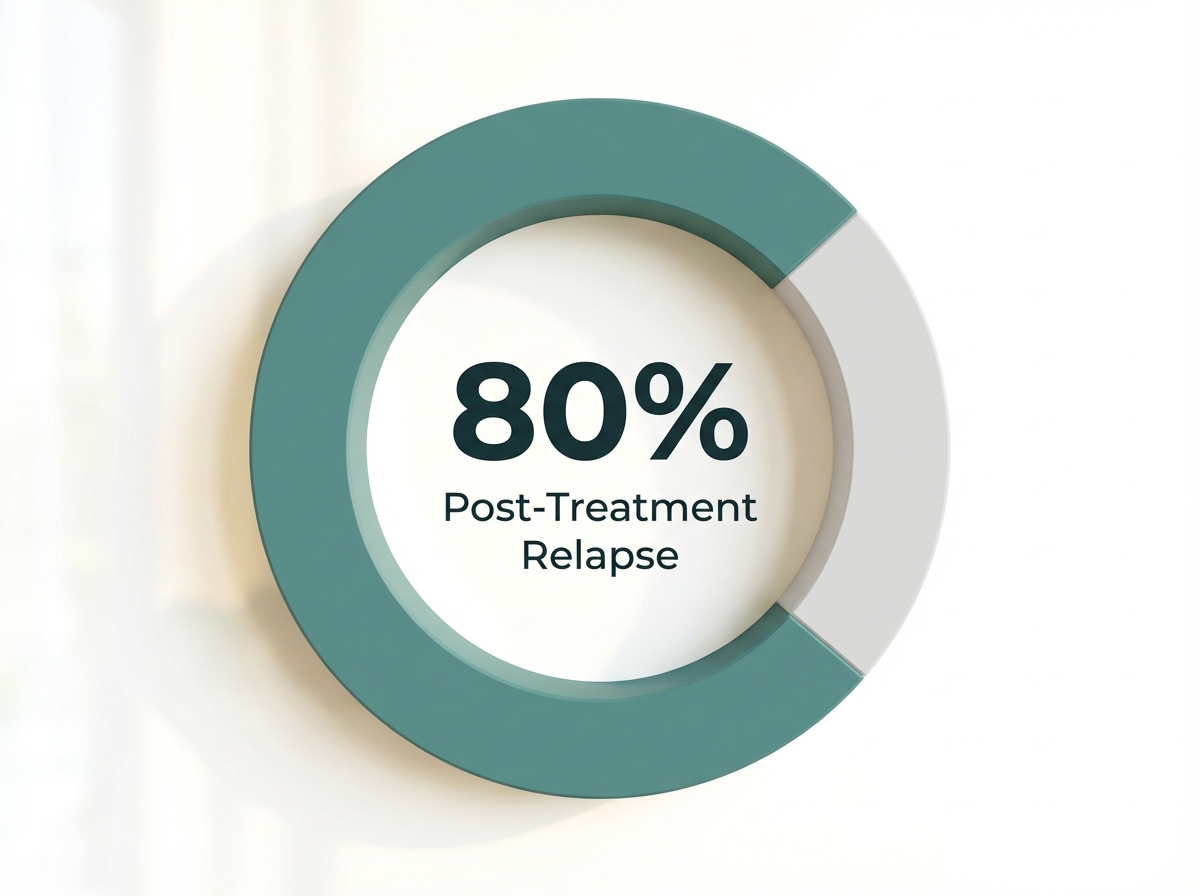
Up to 80% of people who complete treatment may relapse if they don’t have a solid aftercare plan in place. Without ongoing support, people often return to old patterns when faced with stress.10
To reduce your risk, ask about aftercare before you enroll. Look for programs that offer:
- Structured alumni groups.
- Regular follow-up appointments.
- Easy access to counseling or peer support.
Ensuring Continuity Through Alumni Support
A key mistake is overlooking the power of alumni support groups. Without a strong connection to peers, isolation can creep in, leaving you vulnerable to triggers.
Ask treatment providers about their alumni programs. Look for centers that offer regular events, peer mentorship, and ongoing group meetings. These services create a safety net and a sense of shared accountability, which can make all the difference in long-term recovery.
Recovery Starts With a Conversation
Whether you’re exploring recovery for yourself or seeking guidance for someone you care about, Coastal Recovery Partners is here to help. Our team offers trauma-informed, evidence-based support grounded in structure, compassion, and real connection—without pressure or judgment.
When you’re ready, we’ll meet you where you are and help you take the next step forward.
Overlooking Insurance Coverage and Cost Clarity
Financial surprises can derail recovery. Many individuals rush into selecting a program without fully understanding their insurance coverage or out-of-pocket expenses. This can lead to unexpected bills or premature discharge.
Before committing, verify exactly what services your insurance plan covers. Request a detailed breakdown of all costs, including fees for specialized therapies or medications. Reputable programs will provide transparent pricing and help verify your benefits.
Understanding ACA Parity Protections for SUD
Many are surprised to learn that under the Affordable Care Act (ACA), Marketplace insurance plans must include mental health and substance use services as essential health benefits. Your plan cannot place stricter limits on SUD treatment than it does on medical care.6
To use these protections, review your insurance summary. Confirm that outpatient SUD services are listed and check for session limits. Ask your treatment provider if they’re in-network and request help from their financial counselor to clarify your rights.
Getting Transparent Pricing Before You Start
Starting treatment without a clear understanding of costs is a frequent mistake. Unexpected charges for assessments or medication can create stress. Even with ACA protections, out-of-pocket expenses can add up.6
Use this script when speaking to admissions:
"Can you provide a written, itemized estimate of all costs? Does this include lab fees, medication management, and family therapy sessions?"
Don’t hesitate to speak with a program’s billing coordinator. This ensures you can focus on recovery, not finances.
Building Your Proactive Treatment Selection Plan
Creating a proactive plan empowers families to make confident decisions. Follow this step-by-step guide to ensure you find the right fit:
- Conduct a Needs Assessment: Examine specific substances involved, co-occurring mental health conditions, and family dynamics.
- Research Clinical Fit: Compare facilities based on treatment philosophy and staff credentials, not just cost or location.
- Verify Accreditations: Document accreditations from The Joint Commission or CARF and check state licensing.
- Evaluate Dual Diagnosis Capabilities: Ensure the facility offers integrated treatment for both substance use and psychological issues.
- Review Aftercare: Confirm the availability of alumni support and step-down programs.
- Clarify Finances: Work with insurance providers to understand coverage and out-of-pocket costs upfront.
Taking these proactive steps transforms treatment selection from a crisis response into a manageable, informed decision that lays the foundation for successful recovery.
Frequently Asked Questions
What should I do if I've already started treatment at a program that isn't the right fit?
If you’ve started outpatient addiction treatment in South Portland ME but realize the program isn’t a good match, you’re not alone—over half of people admitted for addiction care have been in treatment before. Act promptly and compassionately. Write down what’s not working, talk to your provider, or reach out to a new center for an assessment. It is always okay to seek a better fit for your recovery journey.2,10
How can I tell if an outpatient program offers evidence-based treatment versus unproven methods?
Ask what specific therapies they use. Evidence-based treatments include cognitive-behavioral therapy (CBT), medication-assisted treatment (MAT), and motivational interviewing. Be cautious of "quick fixes." Reputable centers are transparent about their methods and how they align with national standards.1,3
Can I switch outpatient programs mid-treatment without losing my progress?
Yes, it is possible. Coordinate closely with both providers. Request a copy of your treatment records and a discharge summary to prevent gaps in care. Most reputable centers offer support with these transitions to ensure continuity.10
What questions should I ask during a treatment center tour or consultation?
Ask about staff credentials, CARF accreditation, and specific therapies offered (like CBT or MAT). Inquire about aftercare planning and family involvement, as these are linked to better outcomes. Also, clarify costs and insurance coverage upfront.8,9
How do I verify that my insurance will actually cover the full treatment program?
Call your insurance company for a benefits summary regarding substance use disorders. Ask about pre-authorization, session limits, and deductibles. Then, speak with the treatment center’s billing team for a written estimate. The ACA requires most plans to cover these services, but details vary.6
Is telehealth outpatient treatment as effective as in-person care?
Yes, telehealth can be just as effective when programs use evidence-based therapies. It expands access and helps overcome barriers like transportation. Ensure the program offers the same level of professional assessment and personalized therapy as traditional services.1
If you or your loved one are ready to feel like yourself again, we're here to help you get there. With outpatient addiction treatment, flexible, real-life support, we can get back to the life you love.
You don't have to have all the answers. You just need to recognize the need for change. Connect with us today for free benefits verification and a personalized path forward.
References
- Treatment of Substance Use Disorders | Overdose Prevention - CDC. https://www.cdc.gov/overdose-prevention/treatment/index.html
- National Helpline for Mental Health, Drug, Alcohol Issues - SAMHSA. https://www.samhsa.gov/find-help/helplines/national-helpline
- Treatment and Recovery | National Institute on Drug Abuse (NIDA). https://nida.nih.gov/publications/drugs-brains-behavior-science-addiction/treatment-recovery
- Dual Diagnosis (Co-Occurring Disorders) - Cleveland Clinic. https://my.clevelandclinic.org/health/diseases/24426-dual-diagnosis
- Medication Assisted Treatment Program Policies: Opinions of People in Recovery. https://pmc.ncbi.nlm.nih.gov/articles/PMC10467182/
- Mental health & substance abuse coverage. https://www.healthcare.gov/coverage/mental-health-substance-abuse-coverage/
- ASAM Criteria Intake Assessment Guide. https://www.asam.org/asam-criteria/implementation-tools/criteria-intake-assessment-form
- Involving family members in substance use disorder treatment can enhance patient outcomes. https://www.recoveryanswers.org/research-post/involve-family-in-treatment-enhance-substance-use-disorder-outcomes/
- CARF International: Home. https://carf.org
- Assessing success—a commentary on the necessity of outcomes measurement standards. https://pmc.ncbi.nlm.nih.gov/articles/PMC4432513/