
Finding the Best Intensive Outpatient Program in South Portland

Key Takeaways
Essential Tools & Prerequisites:
- Current insurance card (MaineCare, Medicare, or private).
- List of current medications and medical history.
- A clear schedule of your work or family commitments.
Steps to Finding the Right Program:
- Evaluate clinical standards and verify accreditation.
- Assess the program's ability to handle dual diagnosis and trauma.
- Verify the availability of Medication-Assisted Treatment (MAT).
- Confirm scheduling flexibility and insurance coverage.
The Outcome: By following this guide, you will secure a spot in a supportive, flexible treatment program that empowers you to maintain your daily life while building a lasting recovery.
Understanding the Need for an Intensive Outpatient Program South Portland ME
The city has seen a significant rise in addiction challenges over recent years, mirroring trends across Maine. If you or a loved one are seeking help, finding the right intensive outpatient program South Portland ME is a crucial first step toward healing. According to the Maine Office of Behavioral Health, opioid-related overdose deaths in Cumberland County have increased by over 30% in recent years, with alcohol use disorder affecting approximately 1 in 8 Maine adults.
The community faces particular struggles with opioid dependence, alcohol use disorder, and co-occurring mental health conditions. Many residents seeking help find themselves caught between the intensity of residential treatment and the limited structure of weekly counseling sessions.
This is where Intensive Outpatient Programs (IOPs) become invaluable. An IOP offers a middle ground—providing substantial therapeutic support while allowing individuals to maintain their work schedules, family responsibilities, and community connections. This flexibility proves especially important for local residents who need comprehensive care without completely stepping away from their daily lives.
When evaluating IOPs within the area, look for programs that offer proven therapeutic methods, individualized treatment plans, and strong aftercare support. The right program should address not just addiction, but the underlying factors contributing to dependency. Understanding what makes an effective IOP begins with examining clinical standards and credentials.

Maine's Evolving Substance Use Crisis
Maine’s substance use crisis has changed rapidly in recent years. What began as an opioid epidemic has now become a complex battle against fentanyl, methamphetamine, and combinations of several drugs. Fatal overdoses in Maine rose by 23% from 2020 to 2021, highlighting a dangerous trend that directly affects South Portland families.8
The mix of substances involved in overdoses today makes recovery more challenging and calls for treatment that addresses multiple drugs and underlying mental health concerns at once. As the crisis has grown, so has the need for accessible, effective care. Many people living with substance use disorders also struggle with anxiety, depression, or trauma.
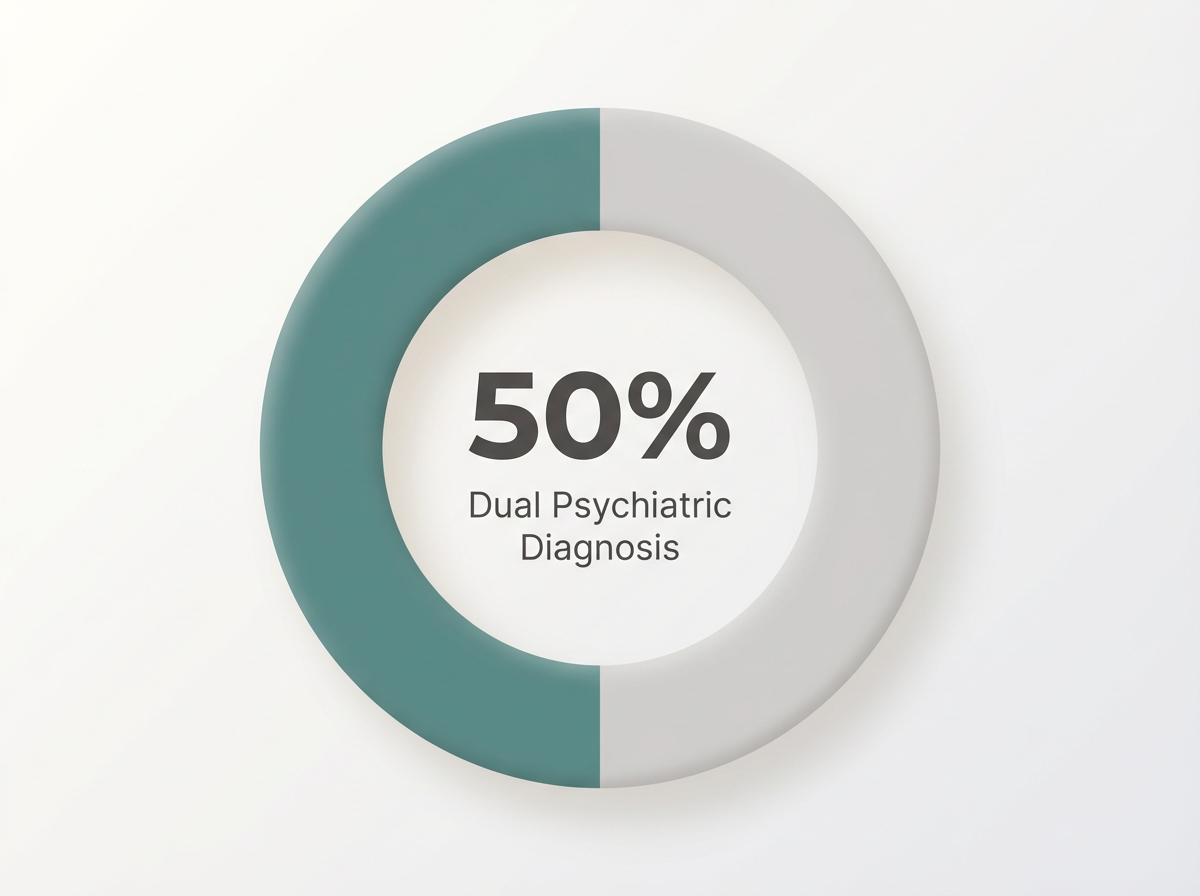
In fact, about half of all individuals with a substance use disorder have a co-occurring psychiatric diagnosis. This means programs must be equipped to treat both addiction and mental health together. An intensive outpatient program South Portland ME can make a meaningful difference by offering a range of services tailored to this evolving crisis. Comprehensive support—including therapy, medication-assisted treatment, and dual diagnosis care—gives people the best chance at a healthier, stable life.7
Why IOPs Matter for Working Professionals
Balancing recovery with work can feel overwhelming for many adults in South Portland. Intensive outpatient programs (IOPs) are built to fit the lives of working professionals, offering therapy sessions at times that work around job commitments. Instead of putting careers on hold, individuals can attend sessions in the morning or evening, returning home afterward to handle daily responsibilities.
This flexible model makes it possible to maintain privacy at work and home, helping people seek support without disrupting their routines. At a high-quality intensive outpatient program South Portland ME, services usually include group therapy, individual counseling, and skills training. These offerings help working professionals manage stress, set boundaries, and build healthy habits—all key skills for thriving both in the workplace and in recovery.
Employers and families often see the positive changes that come from consistent participation in an IOP, as clients navigate challenges with new tools and support. Coastal Recovery specializes in supporting working adults, with scheduling options and evidence-based care designed to meet their unique needs. Their approachable team can help guide you through the process, making sure recovery fits into your life, not the other way around.1
Step 1: Evaluate Clinical Standards and Accreditation
When researching intensive outpatient programs, verifying clinical standards should be the first priority. Look for facilities that maintain accreditation from recognized organizations like The Joint Commission or CARF International. These accreditations signal adherence to research-supported practices and ongoing quality oversight, which directly impacts treatment outcomes.
For example, CARF accreditation requires programs to demonstrate measurable outcomes and undergo rigorous reviews every three years, ensuring continuous improvement in care delivery. The region faces significant addiction challenges, with opioid-related incidents and alcohol dependency affecting households throughout the area. An effective IOP must meet Maine's licensing requirements while offering programming that addresses these concerns.
Check whether the program employs licensed clinicians—including licensed clinical social workers, licensed professional counselors, and certified addiction counselors—who understand the unique pressures facing residents seeking recovery. Quality programs also maintain appropriate staff-to-client ratios and follow structured treatment protocols.
Ask about their clinical framework and whether they incorporate multiple therapeutic modalities rather than relying on a single approach. The best IOPs combine group therapy, individual counseling, and family support within a comprehensive care model. Accredited programs typically document their treatment protocols and outcomes, providing transparency about what clients can expect during their recovery journey. Beyond credentials and structure, consider how the program's clinical approach aligns with evidence-based practices for the specific substance or behavioral health challenges being addressed.
Evidence-Based Treatment Requirements
An effective intensive outpatient program South Portland ME should always use evidence-based treatments. This means therapies are chosen because strong research shows they actually help people recover from substance use and mental health challenges. The most respected programs rely on approaches like cognitive behavioral therapy (CBT) and dialectical behavior therapy (DBT), both of which have been proven to support lasting change and reduce relapse.4
These therapies help clients build coping skills, manage emotions, and address the thinking patterns that often fuel addiction. Choosing a program that highlights its use of evidence-based care is essential for real progress. A trustworthy IOP will clearly describe what therapies they use, why they use them, and how they measure success. It’s also important to see if the program updates its methods regularly, staying current with new research and best practices.
At Coastal Recovery, evidence-based treatment is at the heart of their services. Their team is trained in the latest therapies, and each treatment plan is built around what works best for each person’s needs. This helps clients feel confident they’re getting care that truly supports recovery, not just a one-size-fits-all approach. Below is a quick comparison of two common evidence-based therapies:
By focusing on proven methods, an IOP can offer the best chance for meaningful and lasting recovery.
Staff Credentials That Ensure Quality Care
Choosing the right intensive outpatient program South Portland ME often comes down to the expertise and compassion of its staff. The most trusted programs are staffed by licensed clinicians—such as counselors, social workers, and nurses—who have specialized training in substance use and mental health care. It’s important to look for credentials like LADC (Licensed Alcohol and Drug Counselor), LCSW (Licensed Clinical Social Worker), or RN (Registered Nurse), which show advanced knowledge and a commitment to ethical practice.
Programs should also require ongoing professional development, ensuring staff stay up to date with the latest research and treatment methods. When staff members hold these credentials, it means they are equipped to handle complex cases, including dual diagnoses and trauma histories. This level of qualification supports better treatment planning and safer care overall.3
At Coastal Recovery, all clinical team members are fully credentialed and regularly participate in continuing education. Their expertise helps create a caring environment where clients feel understood and supported at every step. Here’s a quick look at the types of professionals you might find in a high-quality IOP:
Having a skilled and dedicated team makes a real difference in the recovery journey.
Recovery Starts With a Conversation
Whether you’re exploring recovery for yourself or seeking guidance for someone you care about, Coastal Recovery Partners is here to help. Our team offers trauma-informed, evidence-based support grounded in structure, compassion, and real connection—without pressure or judgment.
When you’re ready, we’ll meet you where you are and help you take the next step forward.
Step 2: Assess Dual Diagnosis and Trauma Capabilities
Many individuals struggling with addiction also face co-occurring mental health conditions like depression, anxiety, or PTSD. In this Maine coastal community, where access to comprehensive care is essential, finding a structured outpatient program equipped to address these interconnected challenges makes a significant difference in recovery outcomes.
According to SAMHSA, approximately 50% of individuals with substance use disorders also experience mental health conditions. When evaluating programs, ask whether they offer integrated dual diagnosis treatment. This approach treats both addiction and mental health conditions simultaneously, rather than addressing them separately. Research consistently shows that treating co-occurring disorders together leads to better long-term success than treating either condition in isolation.
Trauma-informed care is equally important. Many people turn to substances as a way to cope with past traumatic experiences. Programs that understand this connection create safer therapeutic environments where clients can process underlying trauma while developing healthier coping mechanisms.
Ask whether the program offers evidence-based therapies specifically designed for dual diagnosis treatment, such as Dialectical Behavior Therapy (DBT), Cognitive Behavioral Therapy (CBT), or Eye Movement Desensitization and Reprocessing (EMDR). These therapeutic modalities have strong research support for treating co-occurring conditions. Programs with trained clinicians in these approaches help clients understand the relationship between their mental health and addictive behaviors, building a stronger foundation for sustainable recovery.
Integrated Mental Health Treatment Approach
An integrated mental health treatment approach means that care for substance use and mental health conditions happens together—never separately. In an intensive outpatient program South Portland ME, this method recognizes that about half of people facing addiction are also living with depression, anxiety, or other psychiatric diagnoses. When both issues are addressed within the same treatment plan, clients gain skills and support for every part of their well-being, not just their substance use.7
A strong integrated approach includes regular mental health assessments, individual counseling, and access to psychiatric care if needed. Clients work with a team that understands how symptoms can overlap and influence one another. For example, therapy sessions may focus on both managing cravings and reducing anxiety, while medication management might help with mood stabilization alongside recovery goals.
Coastal Recovery’s intensive outpatient services are built on this integrated philosophy. Their team coordinates care to ensure no piece of a person’s mental health is overlooked. This means clients receive personalized support, whether they’re struggling with substance use, mood disorders, or both. When mental health and addiction are treated together, people are more likely to achieve lasting progress in their recovery.
Trauma-Informed Care Protocols
Trauma-informed care is a core element of any effective intensive outpatient program South Portland ME. Many people entering treatment have experienced trauma, which can include anything from childhood adversity to recent life events. If trauma is not addressed with empathy and understanding, it may hinder recovery and even increase the risk of relapse.
A trauma-informed approach means that staff are trained to recognize the signs of trauma and create a safe, supportive environment. This includes allowing clients to share their stories at their own pace, using nonjudgmental language, and providing choices during treatment. For example, some individuals may feel anxious in group settings, so offering private counseling or flexibility can help them feel more comfortable.
Programs also take steps to avoid triggering experiences—such as harsh confrontation or unexpected changes—to protect clients from being re-traumatized. Coastal Recovery’s intensive outpatient program incorporates trauma-informed protocols across all services. Their team works closely with each person to build trust, explain treatment steps, and offer therapies that honor individual experiences. With this foundation, clients can focus on healing, knowing they are respected and understood. Trauma-informed care empowers people to move forward in recovery with confidence.
Step 3: Verify Medication-Assisted Treatment Options
Medication-assisted treatment (MAT) has become a cornerstone of effective addiction recovery, particularly for opioid and alcohol use disorders. Throughout this coastal Maine city, where addiction challenges mirror statewide concerns, finding an IOP that offers comprehensive MAT options can significantly improve recovery outcomes. Studies show MAT reduces opioid overdose deaths by 50% and increases treatment retention, making it one of the most evidence-based approaches available.
When evaluating potential programs, ask whether they provide FDA-approved medications like buprenorphine, naltrexone, or acamprosate as part of their treatment approach. The best IOPs integrate these medications with counseling and behavioral therapies, creating a holistic recovery plan that addresses both physical dependence and psychological factors.
It's equally important to verify that the program has medical staff qualified to prescribe and monitor these medications. Some IOPs coordinate with external providers, while others have physicians on-site—both models can work well if there's clear communication and integrated care planning.
As individuals explore MAT options, they should come prepared with specific questions: "How long will I need to take medication?" "What side effects should I expect?" "How do you determine the right medication for me?" "How often will my medication be monitored and adjusted?" Understanding the program's approach to medication management, tapering protocols, and long-term support helps set realistic expectations.
How MAT Addresses Cravings and Withdrawal
Medication-Assisted Treatment (MAT) is designed to help people manage the toughest parts of recovery—cravings and withdrawal. When someone stops using opioids or alcohol, the body and mind often react with uncomfortable symptoms and strong urges to use again. MAT uses FDA-approved medications, like buprenorphine or naltrexone, to safely reduce those cravings and ease withdrawal symptoms. This helps clients feel more stable, so they can focus on building new routines and learning healthy coping skills in therapy.4
In an intensive outpatient program South Portland ME, MAT is combined with counseling and support groups, making it much more effective than relying on medication or talk therapy alone. By calming the brain’s response to triggers, MAT lowers the risk of relapse and gives people a better shot at long-term recovery. Coastal Recovery offers MAT as part of their treatment plans, ensuring each person receives the right medication and monitoring for their unique needs. Their team helps clients understand how MAT works and provides ongoing support during every phase of treatment. This approach helps many people stay engaged in their recovery and regain a sense of normalcy faster.
Finding Programs with Medical Director Oversight
Finding an intensive outpatient program South Portland ME with proper medical director oversight is essential for safe and effective recovery. A medical director, usually a physician with addiction medicine training, oversees medication protocols, reviews client progress, and ensures every treatment decision is grounded in current medical standards. This leadership brings an extra layer of accountability and safety to medication-assisted treatment (MAT), particularly when working with powerful medications like buprenorphine or naltrexone.
Regular involvement from a medical director means that any changes in medication or unexpected side effects are addressed quickly. It also means the program takes a team approach, with nurses, counselors, and doctors communicating to support each client’s needs. At Coastal Recovery, the medical director works closely with the entire care team, providing ongoing supervision and making sure all MAT protocols meet state and federal guidelines.
This level of oversight helps families feel more confident, knowing their loved one’s care is medically sound and carefully monitored. When comparing IOPs, ask if they have a dedicated medical director and how often medical staff are involved in daily care. Programs with strong medical oversight offer the safest environment for those seeking MAT as part of their recovery journey.
Step 4: Confirm Scheduling Flexibility and Insurance
Before committing to a structured outpatient program, confirming scheduling flexibility and insurance coverage prevents unexpected barriers to treatment. Local residents juggling work responsibilities, family obligations, and recovery need programs that accommodate real-world demands without compromising care quality.
Most IOPs require 9-12 hours per week across 3-4 days, though specific schedules vary by program and individual needs. Look for programs offering multiple session times throughout each day and week. Morning, afternoon, and evening options allow individuals to maintain employment while receiving comprehensive treatment. Weekend availability provides additional flexibility for those with non-traditional work schedules common across the area's hospitality and healthcare sectors.
Insurance verification should happen during initial consultation. Ask whether the program accepts your specific insurance plan, what your copay will be, and whether prior authorization is required. Quality programs employ dedicated staff who contact insurance providers directly, explain coverage details, and identify any out-of-pocket costs upfront. This transparency eliminates financial surprises that could interrupt treatment progress.
For those without insurance or with limited coverage, inquire about payment plans, sliding scale fees, and financial assistance programs. Many reputable programs offer multiple payment options to ensure financial concerns don't prevent access to needed care. Some facilities also provide information about state-funded programs or grants available to qualifying individuals. Understanding these practical considerations upfront allows individuals to make informed decisions about their treatment path.
Evening and Morning Program Availability
Having both evening and morning sessions is vital when selecting an intensive outpatient program South Portland ME. Many people seeking help are juggling work, school, or family commitments, making traditional daytime hours a real barrier. Flexible scheduling means treatment can fit into your life, not the other way around. For example, morning sessions allow parents to attend before children wake up or head to school, while evening options let working adults get support after their shifts.
This adaptability leads to better attendance and engagement, two factors closely tied to successful recovery. At Coastal Recovery, the team understands that flexibility is a must, not a luxury. They offer morning and evening groups to help clients maintain their responsibilities while prioritizing their health. Their warm, supportive staff make it easy to find a session time that works, removing the stress of having to choose between treatment and daily life. This level of service helps more people complete their program and build lasting routines that support recovery.1
Navigating Insurance Coverage and Costs
Understanding insurance coverage and costs is a major step in choosing the right intensive outpatient program South Portland ME. Many people worry about unexpected bills or whether their insurance—such as MaineCare, Medicare, or a private plan—will actually cover IOP treatment. High-quality programs know this can be stressful, so they offer clear guidance right from the start.
Coastal Recovery, for example, has friendly staff who help clients verify benefits, explain what services are covered, and answer questions about deductibles or co-pays. This hands-on support can make the financial side of recovery much less intimidating. It’s helpful to know that Medicare formally recognizes IOPs and sets out specific billing standards, which means more people can access these programs with insurance help than ever before.1
Still, every plan is a bit different, so confirming exactly what’s included is always wise. Look for programs that are upfront about costs and will help you navigate paperwork, appeals, or any surprises along the way. When you have this clarity, you can focus on your recovery—not just the bills. This level of support is part of what makes a treatment provider truly approachable and community-focused.
Common Mistakes When Choosing an Intensive Outpatient Program South Portland ME
Residents of this coastal Maine community seeking addiction treatment often face unique challenges, including limited access to specialized programs and the need to balance recovery with work and personal commitments. Understanding common pitfalls when selecting an IOP can help ensure successful outcomes.
- Choosing based on cost or convenience alone. While budget and location matter, treatment effectiveness should be the primary consideration. Avoidance strategy: Request outcomes data, ask about success rates and evidence-based practices used, and inquire about staff credentials and experience levels before making a decision.
- Ignoring dual diagnosis needs. Many individuals struggling with addiction also face co-occurring mental health conditions that require integrated treatment. Avoidance strategy: Request a comprehensive assessment before enrollment to identify any underlying mental health issues, and confirm the program has licensed mental health professionals on staff.
- Failing to verify licensing and accreditation. These credentials are essential indicators of quality and safety standards. Avoidance strategy: Check that the program holds current state licensing, ask about accreditation from recognized bodies like The Joint Commission or CARF, and verify staff certifications.
- Overlooking family involvement opportunities. Recovery often benefits from a strong support system, yet some programs offer little to no family participation. Avoidance strategy: Ask specifically about family therapy sessions, educational workshops for loved ones, and how the program helps rebuild healthy family dynamics.
- Not considering schedule flexibility. Programs with rigid schedules may conflict with work or caregiving responsibilities, leading to premature dropout. Avoidance strategy: Inquire about multiple session times, evening or weekend options, and whether the program can accommodate employment or educational commitments.
Making an informed decision about IOP treatment is an act of self-advocacy. By asking the right questions and prioritizing quality care over convenience, individuals position themselves for lasting recovery success.
Overlooking Continuum of Care Planning
One mistake people often make when choosing an intensive outpatient program South Portland ME is not asking about the plan for continued care after the main treatment phase ends. Recovery does not stop when a person finishes their sessions—ongoing support is key for preventing relapse and building a stable future. Without a clear path for what comes next, many clients feel lost or unsupported once the structure of daily therapy is gone.
A strong IOP should help each person develop a personalized aftercare plan before they complete the program. This might include referrals to ongoing counseling, access to support groups, help with medication management, or even follow-up check-ins from staff. Research shows that people with a structured post-treatment plan are much more likely to maintain progress and avoid setbacks.4
Coastal Recovery takes continuum of care seriously by working with each client to set up supports that fit their needs. Their team helps with connections to community resources, alumni groups, and continued therapy, so no one leaves treatment without a safety net. Asking about aftercare planning is a simple way to make sure your recovery journey is supported for the long haul.
Ignoring Family Involvement Opportunities
Another common mistake when selecting an intensive outpatient program South Portland ME is overlooking the value of involving family or close support networks in treatment. Research shows that recovery outcomes improve when loved ones are included, as family involvement can help strengthen accountability, encourage healthy communication, and provide emotional backing during challenging times.
Yet, some people hesitate to include family, worried about privacy or potential conflict, while others simply aren’t asked by the program if they’d like this extra support. A quality IOP will offer opportunities for family engagement, such as educational workshops, joint counseling sessions, or regular progress updates (with the client’s permission). These services help family members understand addiction as a medical condition and teach them how to best support their loved one’s recovery.
Supportive families can become a safety net, noticing early signs of relapse and celebrating progress along the way. Coastal Recovery recognizes the critical role families play in healing and offers resources that guide both clients and their loved ones. Their team encourages open communication and provides practical tools to help families participate in the process. When considering an IOP, ask how family can be involved from the start—this can make everyone feel more connected, informed, and hopeful about the journey ahead.
Building Your Recovery Foundation in South Portland
Individuals throughout this coastal community face unique challenges when seeking addiction treatment, from balancing work commitments at the Maine Mall area to maintaining family responsibilities while pursuing recovery. The area's proximity to Maine's largest city can present both opportunities and obstacles for those seeking recovery, making accessible, flexible treatment options essential.
When selecting a structured outpatient program, look for clinically proven therapies, experienced clinical staff, and flexible scheduling that accommodates real-world responsibilities. The right program should offer comprehensive support including individual counseling, group therapy, and opportunities for loved ones to participate during the healing process.
Structured outpatient programs provide accountability and support while allowing individuals to maintain their daily routines. This approach helps people practice recovery skills in real-time, managing triggers and challenges as they arise within their actual environment. Finding the right treatment program requires a thoughtful evaluation process.
By assessing treatment approaches and evidence-based methods, evaluating staff qualifications and experience, considering scheduling flexibility and program structure, and reviewing insurance coverage and financial options, individuals can make informed decisions that align with their specific needs and circumstances. This systematic approach to program selection significantly increases the likelihood of finding a treatment environment that supports lasting recovery.
Taking control of the recovery journey begins with asking the right questions and trusting personal instincts about which program feels most supportive. Schedule consultations with multiple programs, ask the questions outlined above, and pay attention to how each environment feels during the visit. The decision to seek treatment represents a courageous first step, and finding the right fit makes all the difference in building a foundation for lasting change. Recovery is not only possible—it's achievable with the right support, commitment, and treatment approach tailored to individual needs.
Frequently Asked Questions
When exploring treatment options, many people have similar questions about intensive outpatient programs.
How long does a typical IOP program last in South Portland?
Most intensive outpatient programs in South Portland last anywhere from eight to twelve weeks, though the exact length can vary based on individual progress and needs. Typically, participants attend three to five days per week, with each session lasting two to four hours, totaling at least nine hours of therapy and support each week. This schedule offers enough structure to support real change while still allowing clients to keep up with family and work responsibilities.1
At Coastal Recovery, the team works closely with each person to create a treatment plan and timeline that fits their unique situation. Some people may benefit from a longer program, especially if they need extra support for mental health or trauma. Others may be ready to step down to less intensive care sooner. The goal is to make sure every client receives the right amount of help for as long as they need it. If you’re considering an intensive outpatient program South Portland ME, asking about average program duration and flexibility is a great first step.
Can I work full-time while attending an intensive outpatient program?
Yes, it is possible to work full-time while attending an intensive outpatient program South Portland ME. IOPs are specifically designed to support people with busy lives—including those with demanding jobs or family responsibilities. Most programs, such as those at Coastal Recovery, offer flexible scheduling with morning and evening group sessions, so you can fit treatment around your work hours rather than sacrificing your employment.1
A typical IOP schedule requires attendance three to five days a week, with sessions lasting two to four hours each, totaling at least nine hours of therapy per week. This structure lets you keep up with work during the day or evening and still meet the requirements for recovery. If you have specific scheduling needs, Coastal Recovery’s team will help you find the right session times and support you in balancing both work and treatment. Their goal is to make recovery truly accessible for working professionals, so you never have to choose between your job and your health.
What happens if I relapse during IOP treatment?
Relapse is a common part of the recovery process, and it does not mean you have failed or that treatment cannot work for you. If you experience a relapse while attending an intensive outpatient program South Portland ME, the most important step is to reach out to your care team right away. At Coastal Recovery, staff respond with understanding and support—not judgment. They know that setbacks can happen and are ready to help you safely get back on track.
When relapse occurs, your treatment plan will be reviewed and adjusted to address any new risks, triggers, or challenges. This may involve more frequent sessions, additional one-on-one counseling, or changes in medication if you are using Medication-Assisted Treatment. The program might also involve your support network—like family or loved ones—if you feel comfortable with that. Coastal Recovery’s team works with you to identify what led to the relapse and builds a plan to prevent it from happening again. Their services are designed to meet you where you are, offering hope and practical help so you can keep moving forward in your recovery journey.4
Does Coastal Recovery accept MaineCare or Medicare for IOP services?
Yes, Coastal Recovery accepts both MaineCare and Medicare for their intensive outpatient program South Portland ME. This means clients with these types of insurance can access IOP services without worrying about being turned away due to coverage. Medicare’s recent recognition of IOPs as medically necessary treatment, effective January 2024, has made it easier than ever for older adults and people with disabilities to receive structured support through programs like Coastal Recovery’s.1
Coastal Recovery’s admissions team is experienced in working with MaineCare, Medicare, and private insurance. They guide each person through the process of verifying benefits and understanding what is covered before beginning treatment. This hands-on support helps reduce financial stress, allowing clients and families to focus on healing. If you have questions about your coverage, the Coastal Recovery team is always ready to help, ensuring you can access quality care without unnecessary barriers.
How does Coastal Recovery address Maine's fentanyl and polysubstance crisis?
Coastal Recovery takes Maine’s fentanyl and polysubstance crisis seriously by tailoring every aspect of care to meet the complex needs of today’s clients. Their intensive outpatient program South Portland ME uses thorough assessments to identify all substances involved—whether it’s fentanyl, methamphetamine, or combinations with alcohol and other drugs. This careful approach ensures that treatment is never one-size-fits-all.
The team at Coastal Recovery is trained in evidence-based therapies and trauma-informed care, which is crucial since many clients have experienced trauma or have co-occurring mental health conditions. Medication-Assisted Treatment (MAT) is offered when appropriate, helping to manage cravings and reduce the risk of overdose—a critical resource given that Maine saw a 23% rise in fatal overdoses in a recent year. Clients also receive education about the dangers of fentanyl and new drug combinations, so they and their families can stay informed and safer.8
Services are continually updated as new substances emerge in the local community, and Coastal Recovery works closely with medical professionals to provide safe, medically sound care. Their warm, approachable staff are always ready to answer questions and support each person’s unique journey, making sure no one faces Maine’s evolving crisis alone.
What makes Coastal Recovery different from other IOPs in the South Portland area?
Coastal Recovery stands out among intensive outpatient program South Portland ME providers because of its warm, personalized approach and commitment to evidence-based care. Clients receive treatment that is never one-size-fits-all—each plan is tailored to individual needs, drawing on therapies like cognitive behavioral therapy, trauma-informed practices, and integrated support for co-occurring mental health conditions. This means people can address addiction and mental health together, which is key since about half of those entering treatment have both challenges.7
Another difference is the level of support offered outside of group sessions. Coastal Recovery’s team is approachable and available to guide clients through every step, from insurance verification to aftercare planning. The program offers flexible scheduling with both morning and evening sessions, making it easier for working adults and parents to stay engaged without disrupting their lives. Medical professionals—including a dedicated medical director—oversee medication-assisted treatment, ensuring safety and responsiveness to changing needs.1,4
Most importantly, Coastal Recovery believes in treating every client with respect, dignity, and hope. Their focus on building genuine relationships, engaging families, and offering practical tools helps clients and their loved ones feel supported long after formal treatment ends.
References
- CY 2024 Medicare Hospital Outpatient Prospective Payment System and Ambulatory Surgical Center Final Rule - Fact Sheet. https://www.cms.gov/newsroom/fact-sheets/cy-2024-medicare-hospital-outpatient-prospective-payment-system-and-ambulatory-surgical-center-0
- Substance Abuse and Mental Health Services Administration (SAMHSA). https://www.samhsa.gov/
- The ASAM Criteria - American Society of Addiction Medicine. https://www.asam.org/asam-criteria
- National Institute on Drug Abuse (NIDA). https://nida.nih.gov/
- National Institute of Mental Health (NIMH). https://www.nimh.nih.gov/"
- Maine Department of Health and Human Services, Office of Behavioral Health. https://www.maine.gov/dhhs/obh
- Recovery Research Institute - Massachusetts General Hospital, Harvard Medical School. https://www.recoveryanswers.org/
- National Center for Drug Abuse Statistics (NCDAS). https://drugabusestatistics.org/
- Maine Drug Data Hub. https://mainedrugdata.org/
- SAMHSA's National Helpline. https://www.samhsa.gov/find-help/national-helpline